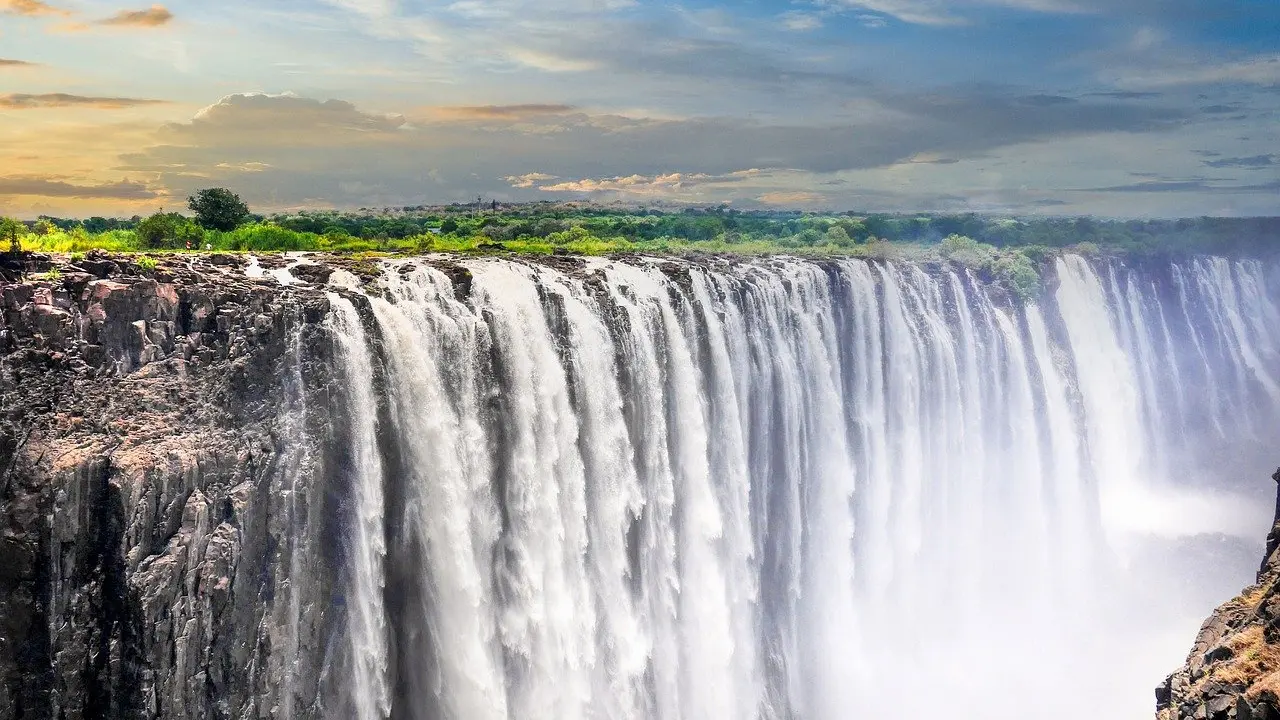
| Situation | What is supported | Planning use |
|---|---|---|
| Choosing a base on the Zambian side | Livingstone is Zambia’s main tourism hub and the gateway to Victoria Falls on the Zambian side of the Zambezi River. | Book the town if you want the Zambian side to be your main focus. |
| Visiting in the high water season | Livingstone provides closer access to sections of the falls. | Favour the Zambian side when the river is full and you want to get near the water. |
| Wanting wide panoramas | Victoria Falls town in Zimbabwe offers broader panoramic viewpoints and a more traditional tourism atmosphere. | Add a visit to the Zimbabwe side rather than relying on one bank. |
| Visiting in lower-water months | Views can be clearer, and the rock formations and gorge become easier to see. | Choose these months if the shape of the gorge matters more than sheer power. |
| Wanting the full force of the falls | The months after the rains are usually best. | Time the trip just after the rains, not during a dry spell. |
| Wanting an easy wildlife outing | Mosi-oa-Tunya National Park is smaller and easier to visit, suited to a gentle wildlife activity close to town. | Use it as a short add-on to a falls day. |
Figures and descriptions above draw on Voyage2Africa’s Victoria Falls and Livingstone guide and Khokelo Safaris’ Livingstone travel guide.
Destination Livingstone is Zambia’s main tourism hub and the gateway to Victoria Falls on the Zambian side of the Zambezi River. Base yourself here for closer access to sections of the falls in high water.
This page is an orientation to the town itself: why it works as a base, where it sits relative to the falls and the Zimbabwe side, how to arrive and when to go. For event dates and festival planning, see the vic falls carnival page.
Why Livingstone works as a base for the falls
Livingstone is known as the gateway to Victoria Falls, one of the Seven Natural Wonders of the World, according to TravelNetBook’s Livingstone profile. In practice that means the town is where Zambian-side visitors sleep, eat and organise their days. You do not have to arrange everything from a distance.
The practical benefit is that one town covers several needs. You get a base for the Zambian section of the falls, a smaller national park for a relaxed wildlife outing, and an easy route to the Zimbabwe side when you want a second view. For a first visit, that flexibility is the main reason to choose Livingstone over trying to stitch together separate stops.
Who Livingstone suits
- Visitors who want the Zambian side. Staying in the gateway town keeps you close to the Zambian section of the falls and avoids daily commuting from elsewhere.
- High-water travellers. Livingstone provides closer access to sections of the falls during the high water season, so it is a sensible choice if you want to be near the water at its fullest.
- Visitors who like a gentle pace. A town base lets you spread falls viewing, the park and downtime across your stay rather than fitting everything into a crowded schedule.
- Travellers who want both banks. Livingstone can anchor a trip that also takes in the Zimbabwe side, as the next section explains.
Livingstone and the Zimbabwe side of the falls
The falls sit on the Zambezi River between Zambia and Zimbabwe, so the two countries each offer a different experience. Victoria Falls town in Zimbabwe offers broader panoramic viewpoints and a more traditional tourism atmosphere, as Voyage2Africa describes it. Livingstone’s strength is closer access to sections of the falls in high water. The sensible reading is that the two sides complement each other rather than compete.
Distance and the border crossing
Livingstone is the Zambian gateway town, and the Zambian section of the falls lies inside Mosi-oa-Tunya National Park, which stretches along the Zambezi River. The Zimbabwe side is reached by crossing the Victoria Falls Bridge. One operator’s Livingstone day experience describes crossing the bridge into Zambia to explore the Mosi-oa-Tunya side of the falls.
Before you fix an itinerary that involves both sides, ask your accommodation or tour provider for the current transfer time from town and for the usual waiting time at the crossing. Treat those answers as the deciding figures, since queues and transport arrangements vary.
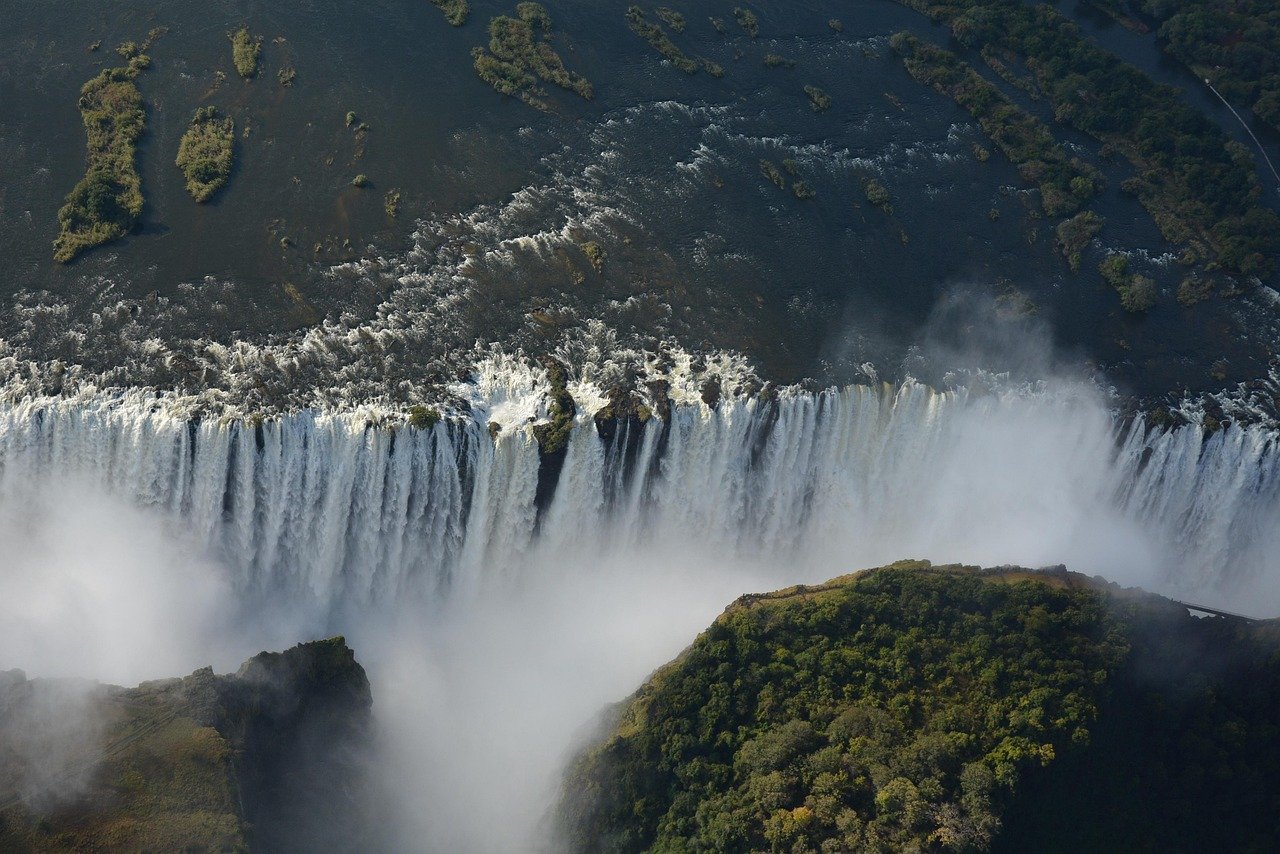
- One-sided stay. If you only want the Zambian view, Livingstone and the park are enough, and you avoid the crossing entirely.
- Both sides in one trip. Keep the crossing for a dedicated half-day or day rather than squeezing it between other bookings.
- Panorama priority. If wide viewpoints are the main goal, plan time on the Zimbabwe side from the start.
Mosi-oa-Tunya National Park beside the town
Mosi-oa-Tunya National Park includes the Zambian section of Victoria Falls and stretches along the Zambezi River. It is also smaller and easier to visit than larger parks, which makes it good for a gentle wildlife activity close to town, according to Khokelo Safaris.
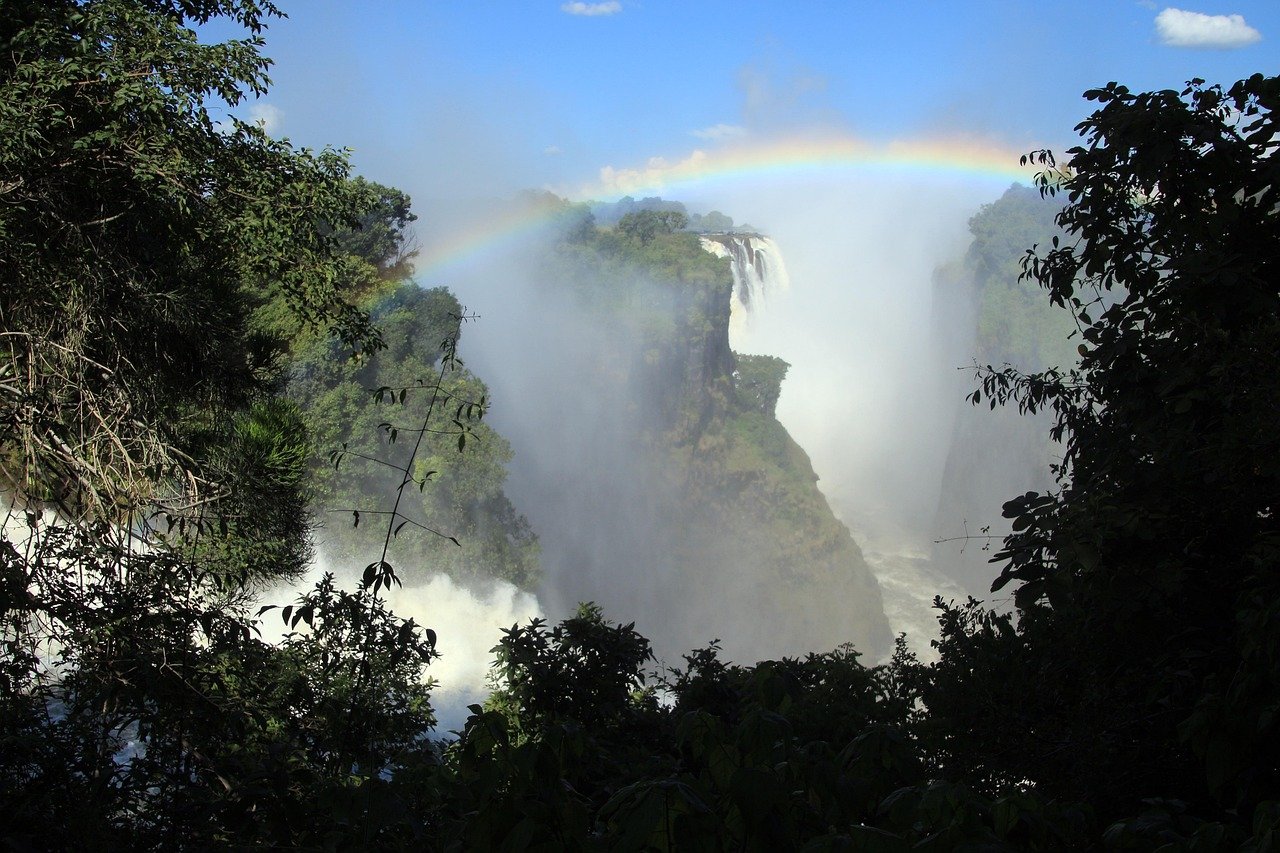
The implication is simple: you can pair falls viewing and a low-effort wildlife outing without leaving the Livingstone area. If you are tight on time, this is the better use of an afternoon than a long excursion. If wildlife is the main reason for your trip, treat the park as a pleasant extra rather than the centrepiece.
The best time of year to visit Livingstone
The best time depends on what you want from the falls, because the river’s volume changes what you see. There is no single best month, only a better match between season and priority.
Choosing by what you want to see
- Full power. The months after the rains are usually best if you want the full power of the falls.
- Closest access. Livingstone provides closer access to sections of the falls during the high water season, so this is the time to favour the Zambian side.
- Clearer views. During lower-water months, the views can be clearer, and the rock formations and gorge become easier to see.
- Wildlife. The dry season is often favourable for wildlife viewing in Mosi-oa-Tunya National Park and Chobe National Park, according to Wild Bee Tours and Safaris.
If your priorities pull in different directions, such as the full force of the water and easy wildlife viewing, accept a compromise rather than chasing both. Decide which one would disappoint you most to miss, and plan around that. Check current conditions with your accommodation shortly before you travel, since the water level in any given year may not follow the typical pattern.
Getting to Livingstone
Most visitors arrive in Livingstone from elsewhere in Zambia or from the Zimbabwe side. For anyone already at Victoria Falls town, the route is the Victoria Falls Bridge crossing into Zambia. For others, confirm the current flight, road and transfer options with your accommodation or carrier before booking, since schedules change.
Whichever route you take, build in a buffer on arrival day. If your first activity depends on being in the park or at the falls at a set time, leave the day itself free instead of stacking a transfer and a booking back to back. A relaxed first evening in town also helps you ask local hosts about the current water level and viewing conditions.
Town background worth knowing
The city is named after David Livingstone, the Scottish missionary and explorer who saw the falls, as Khokelo Safaris notes. It became an important railway and administrative centre, and for a period it served as the capital of Northern Rhodesia. That history helps explain why the town grew into the established base it is today, and why it is a natural starting point for exploring the Zambian side of the falls.
Frequently asked questions
Why is Livingstone a base for visiting Victoria Falls?
Livingstone is the main tourism base on the Zambian side of the Zambezi River and the usual starting point for falls visits. It also offers closer access to sections of the falls in high water and sits beside Mosi-oa-Tunya National Park.
How far is Livingstone from the falls and from the Zimbabwe side?
The Zambian section of the falls lies within Mosi-oa-Tunya National Park, close to the gateway town. Across the border, the Zimbabwe town offers broader panoramic viewpoints of the falls and a more traditional tourism atmosphere. Ask your host for the current transfer and crossing times before planning a day that covers both sides.
What is the best time of year to visit Livingstone?
The months after the rains are usually best for the full power of the falls. Lower-water months give clearer views of the rock formations and gorge, and the dry season is often favourable for wildlife viewing in the park.
Is the Zimbabwe side worth adding to a Livingstone stay?
Yes, if panoramic viewpoints matter to you. Victoria Falls town in Zimbabwe offers broader panoramas and a more traditional tourism atmosphere, while Livingstone offers closer access to sections of the falls in high water.