This Zambia travel guide starts with one decision: where you will base yourself. For a Victoria Falls or festival trip that usually means Livingstone, with entry rules, money and transport settled before you book anything else.
If you have not yet checked do i need a visa for zambia, do that first, because it decides how much time you need before departure. If your plans might include more than one country, the guide to kaza univisa shows whether that option fits a multi-country trip. The sections below then follow the order most first-time visitors need: base, paperwork, arrival, transport, money, timing and what to do around Livingstone.
Choose your base before anything else
Your base shapes every later choice, from the airport you fly into to the kind of transport you will use. Four common trip shapes cover most first visits, and each points to a different starting place.
- Festival or falls trip: Base yourself in Livingstone. It puts you close to Victoria Falls and keeps ground transport short, which matters most when you are tied to event times.
- Capital-led trip: Choose Lusaka if you have business or family there, or want to start with city sights and a nearby national park before heading south.
- Multi-country trip: Livingstone also works as a launch point for Botswana, because the Chobe gateway town of Kasane lies about an hour west of Livingstone.
- Wildlife-led trip: Pick the park first, then work backwards. Lower Zambezi and Lusaka National Park suit different budgets and time frames, and both are covered further down.
Three criteria separate these options. The first is how many separate bases you can afford in time and money, since every move costs a travel day and a transfer. The second is how fixed your dates are. A festival weekend leaves little room for a delayed leg, so it pays to arrive in Livingstone early. The third is how comfortable you are with independent travel. Lusaka and Livingstone both have taxis and organised transfers, but a self-drive trip adds paperwork and risk that a package transfer avoids.
For most first-time visitors, one base in Livingstone with day trips is the least stressful option. A second base in Lusaka or a safari lodge makes sense only if the extra days are already in your calendar.
Entry requirements and paperwork
Settle your documents first, because everything else, including flights and accommodation deposits, depends on being allowed in on your planned dates. Entry rules differ by nationality, so use your own passport as the starting point rather than a general answer.
Visas and entry conditions
Begin with the visa guide, Zambia Visa Requirements, which sets out how to check what applies to you. The wider picture of passport validity, onward travel and other border conditions sits under zambia entry requirements. Read both before you pay for non-refundable tickets. If a visa must be arranged before you travel, build that lead time into your plan rather than assuming you can sort it out on arrival.
Crossing borders around the falls
Victoria Falls sits on a border, and many visitors want to see it from more than one side or add a day in Botswana. That is exactly where a multi-country arrangement becomes relevant, and the kaza univisa explainer is the right place to test whether it suits your route. Whether you travel by air or land, treat each crossing as a separate document check, and keep passports and printed bookings together for inspection.
Health paperwork and insurance
Health requirements are a separate track from visas. The guide on zambia vaccinations required covers what to raise with a travel health clinic, and it is best to start that conversation well before departure. Cover for medical care and cancellations is a sensible companion step, and travel insurance for zambia explains how to approach it. Adventure activities near the falls are a particular reason to read policy wording closely before you buy.
Arriving by air
Arriving by air is the simplest option for most visitors, and your choice is between flying directly to Livingstone or entering through Lusaka and travelling on. Livingstone’s airport serves the falls area, so it suits a trip built around the falls or a festival. Lusaka is the capital, so it is the natural gateway if your itinerary starts in the city or goes to parks near it.
Choose the airport that is closest to your first night rather than the cheapest fare, unless the saving is large enough to pay for an extra internal leg. A cheaper arrival that forces a long transfer on the day you land can cost more in tiredness and missed bookings than it saves. If you do split your journey, the guide to how to get to zambia compares the main routes in more detail.
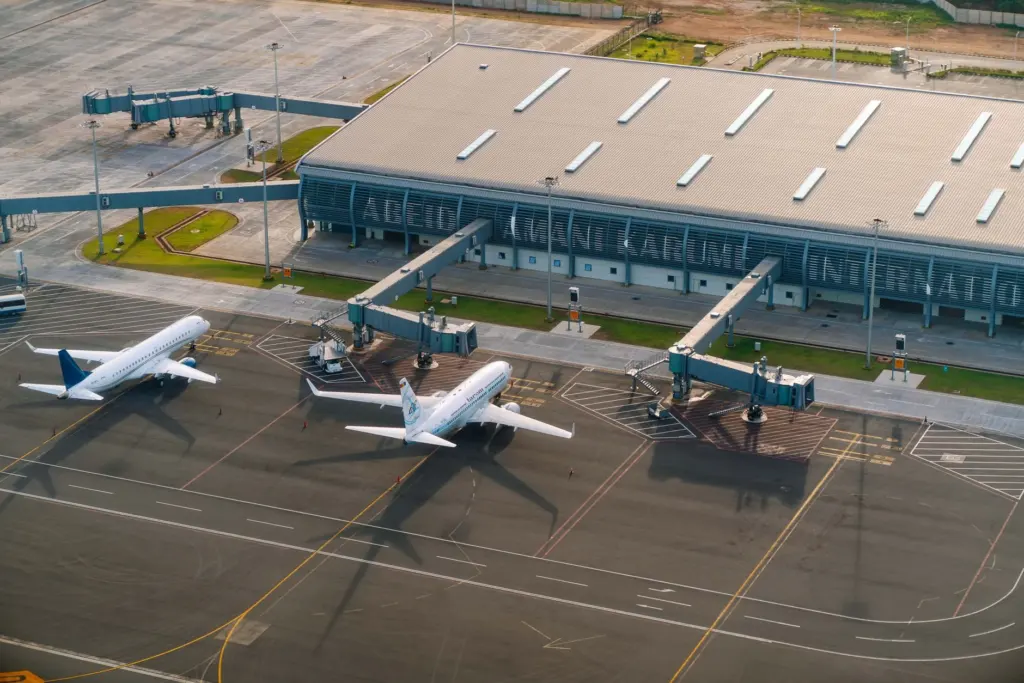
Whichever airport you choose, have your accommodation address, return or onward ticket details and any visa confirmation easy to reach in your hand luggage. Arranging a transfer in advance with your accommodation is a sensible default on a first visit, because it removes the first fare negotiation from an already busy arrival.
Lusaka and Livingstone: linking the two bases
Lusaka and Livingstone are the two anchors of most Zambian itineraries, and the decision is whether you need both. Lusaka is described by one travel guide as one of the fastest-growing cities on the continent, which fits its role as the working and transport centre of the country. It also has a national park close by: Lusaka National Park lies 15 km south of the capital, which makes it a realistic half-day or day outing rather than an expedition.
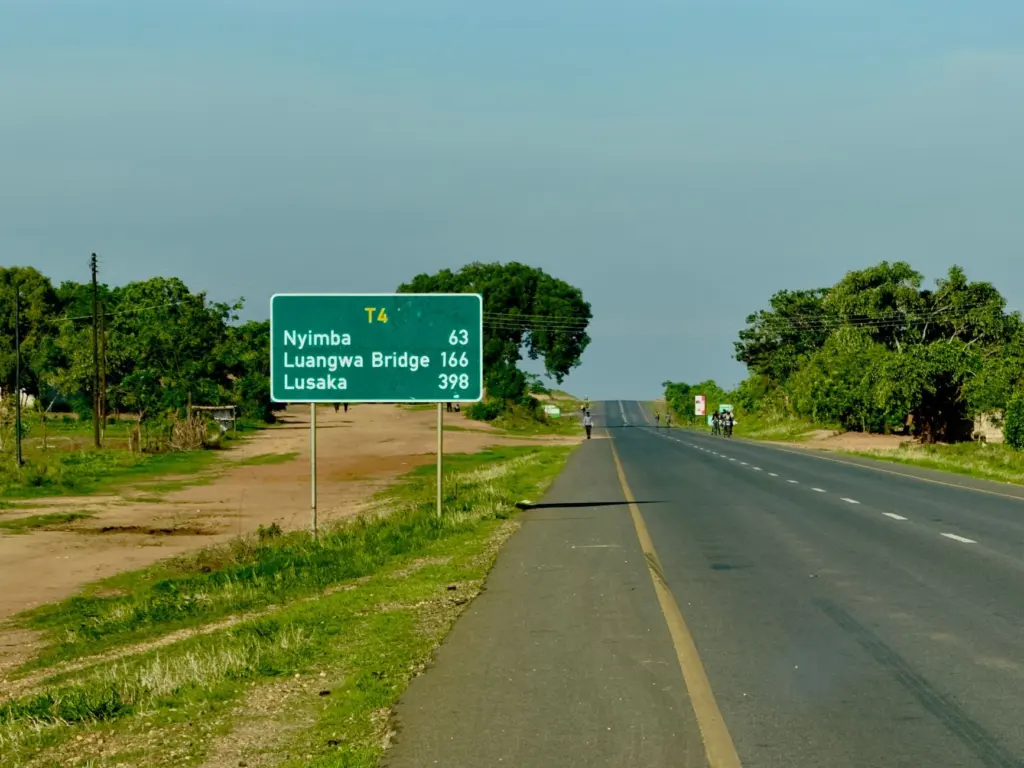
Livingstone, by contrast, is a compact base for the falls, with the main sight within easy reach of town. A hotel such as the Protea Hotel Livingstone is listed at 7.5 km from the Falls, which gives a sense of how short the trip from town can be.
Moving between the two cities is the main planning question for anyone who wants both. You can fly, drive or take a coach, and the right choice depends on how much time you have, how much luggage you carry and whether you want flexibility along the way. For a short festival-and-falls trip, a flight usually makes more sense than a long road day, and domestic flights in zambia explains how those connections work. Pick the road only when you want to stop along the way or have the days to spare. Check the current distance and journey time for your exact route with your carrier or transfer operator before committing.
Getting around by road
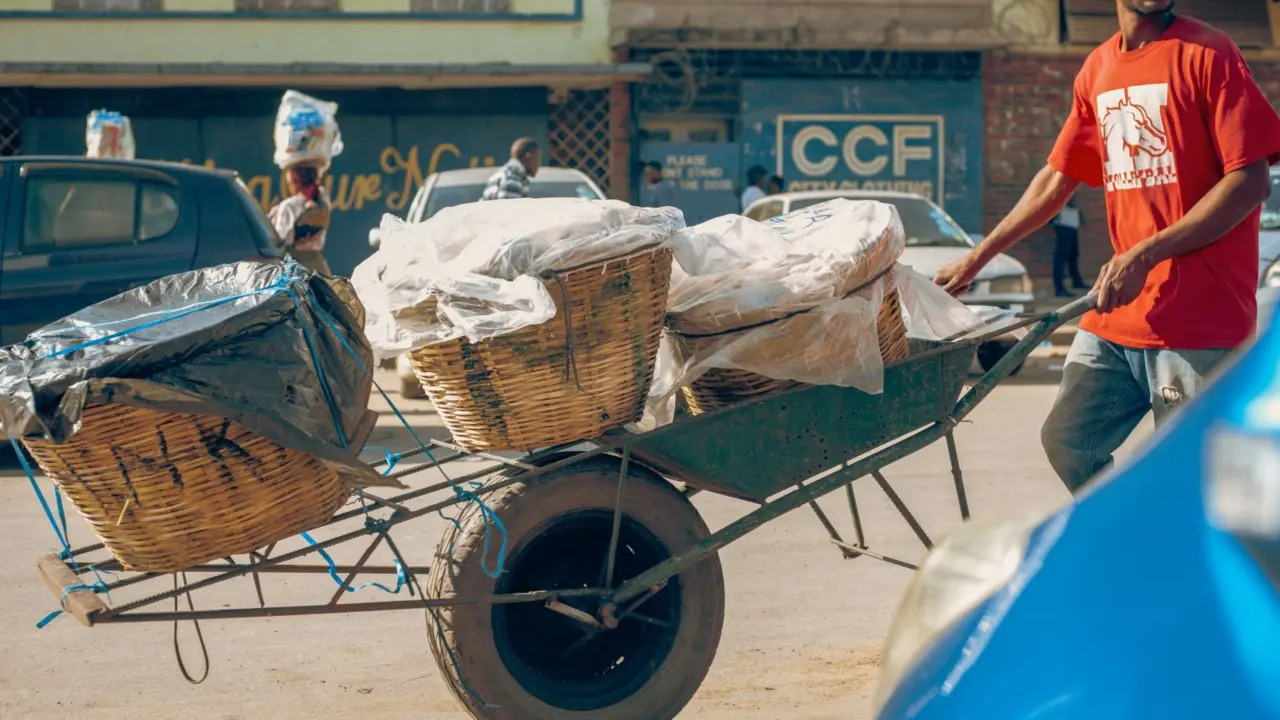
Road transport covers a wide range, from shared minibuses and coaches to private taxis and rental cars. Match the choice to your confidence, your budget and how much schedule risk you can accept.
- Taxis: Fares are generally not metered, so negotiate the price with the driver before the ride and confirm it again if the destination changes. Asking your accommodation for a typical fare is a useful check.
- Minibuses and coaches: These are the economical choice between towns and suit travellers with flexible timing and light luggage. They are less suited to fixed arrival times, such as getting to a festival gate or a flight check-in.
- Private transfers: Pre-arranged through your accommodation or a tour operator, these cost more but remove negotiation and timing uncertainty, which is worth it on arrival day.
- Rental cars: These give the most freedom for parks and side trips, but they need more planning. Start with car rental zambia for the rental side and driving in zambia for road conditions and rules.
On a first trip focused on Livingstone, you may not need a car at all. Taxis and transfers cover the town and the falls, and organised excursions cover the wider area. A rental becomes worthwhile when you plan several park visits or want to set your own schedule. Source your fare information on the day from your accommodation or operator, since the price of a given ride changes with demand and distance.

Money, costs and tipping
Plan your money around the local currency, the kwacha, and the simple fact that cash handling is part of everyday Zambian travel. The dedicated guide on zambia currency explains what to carry and how to pay, and reading it before you go avoids most first-day surprises.
Two habits help on arrival. Keep small notes for taxis, snacks and market stalls, since you will often be negotiating a fare in advance and need to pay it without change. Keep larger sums split between your bags rather than in one place. Tipping is another cost to budget for, and the guide to tipping in zambia explains who expects it and how to handle it with guides and drivers.

When you compare costs, look at what is included. A transfer with a fixed price, an excursion that bundles park fees, and a hotel with breakfast are easier to budget than separate items that each require a negotiation. Where a price is quoted verbally, confirm the currency and whether it covers every passenger and bag before you agree.
Timing your trip
The best time to visit Zambia depends on what the trip is for, so decide your priority first. If a festival drives the trip, its dates set your calendar and you plan everything else around them. If you are choosing freely, think about whether you most want the falls, wildlife or a specific event.
One travel guide notes that the Kuomboka festival takes place at the end of the rainy season (around Easter), which shows that the rainy season is a real factor in when events happen. The longer seasonal comparison is in the best time to visit zambia guide.
Calendar details matter too. Local public holidays can change shop and office opening hours, so check zambia public holidays against your dates, especially for banking, errands or a booking that needs an office to be open. If your travel dates are flexible, shift them away from a holiday weekend when you need something that depends on a business being open.
Victoria Falls and the Livingstone area
Victoria Falls is the reason many visitors come to this part of Zambia, and the scale explains why. The falls on the Zambezi River stretch for 1700 m, and their roar can be heard from 40 km away, so the sound and the spray are part of the visit as well as the view. The local name, Mosi-oa-Tunya, is covered in the questions below. The falls are also a UNESCO World Heritage Site, which is useful context if you are deciding how much time to give them.
Where to stay
Accommodation choices come down to whether you want to be in town or closer to the falls. A town location suits visitors who want restaurants, shops and easy taxi access. A property near the falls reduces transfer time for early starts. For festival weekends, secure your room before your flights if you can, because the best-located places are the first to fill.
How long to allow
Give the falls a relaxed half day rather than squeezing them between other plans, and allow separate time for any river or adventure activities. A visit that is tied to a festival works best when the falls are scheduled on a day without event commitments, so a delay does not spoil either one.
Wildlife and day trips from your base
Zambia’s parks add a second dimension to a falls trip, and the right choice depends on how much time you have. Three options stand out in the available evidence, and each suits a different traveller.
- Lusaka National Park: Located 15 km south of the capital, it is the easy option for a short stay in Lusaka and does not require a long transfer.
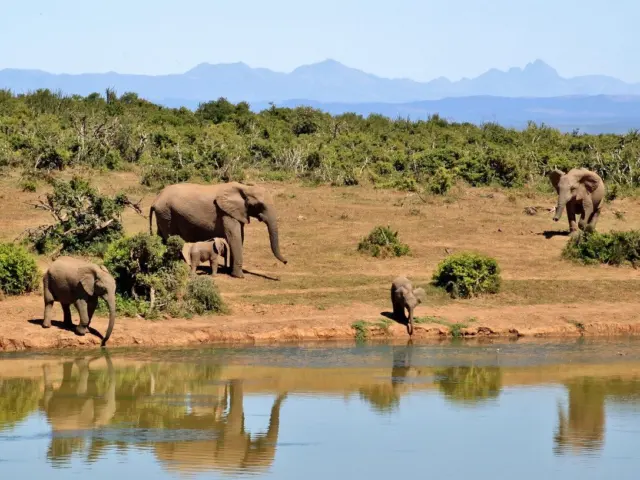
- Lower Zambezi National Park: The drive of 175 km east from Lusaka makes this a longer commitment, best for visitors who want a dedicated safari stay. Its birdlife is a draw, with over 350 species recorded within its boundaries.
- Chobe in Botswana: The park’s gateway town of Kasane lies about an hour west of Livingstone, so a day trip across the border is possible for visitors who add Botswana to their route.
For a first-time visitor on a festival or falls trip, the Chobe option is the most natural add-on because it starts from Livingstone and does not need a second base. Lower Zambezi suits a longer itinerary with a flight or long drive from Lusaka. Lusaka National Park fits people who are already in the capital.
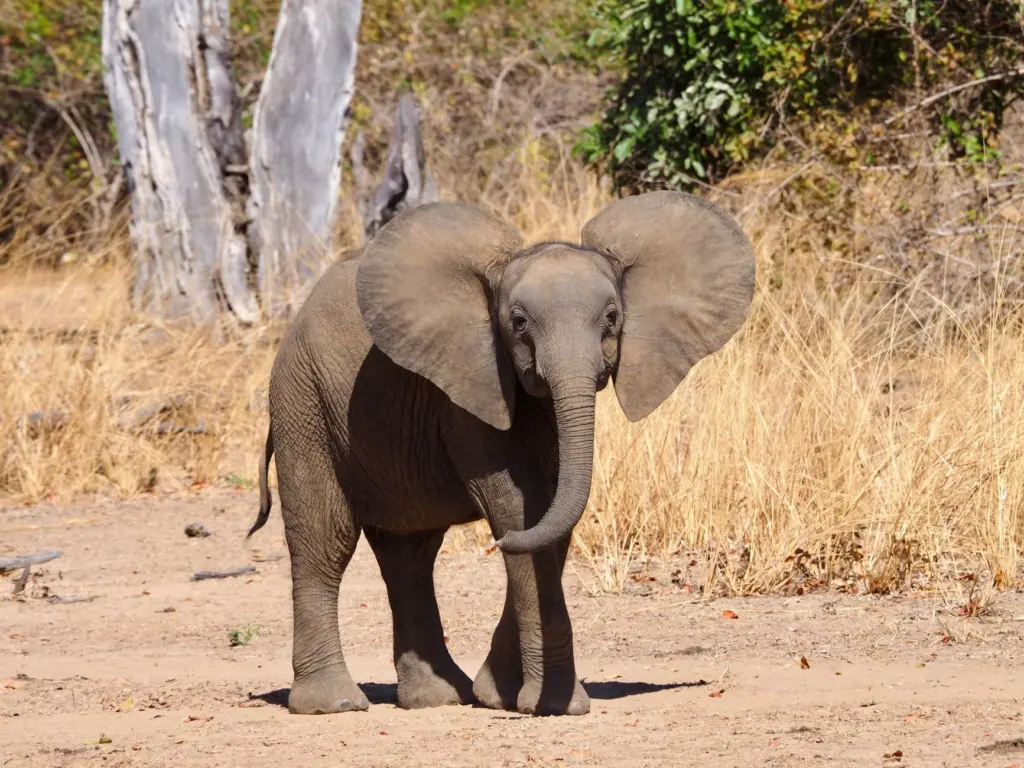
Whatever you choose, book guided drives or boat outings through your accommodation or an established operator, and ask what the price includes before you pay. Wildlife viewing depends on the animals, so treat sightings as a bonus rather than a guarantee, and plan the rest of the day so a quiet drive does not feel wasted.
Safety, health and everyday practicalities
Most first-time worries are best handled by preparing, not by avoiding travel. Read the guide on is zambia safe to travel for an overview of sensible precautions, and check your own government’s current travel advisory shortly before you leave, because advisories are updated as conditions change.
Power and devices
If you are bringing phones, cameras and chargers, check the zambia plug type guide so you can pack the right adapter. Charge power banks whenever you can, since you may spend long days away from reliable sockets on excursions and transfers.
Local help
For visitor information in the capital, the Zambia National Tourist Board is a useful point of contact, based at Century House, Cairo Road, Lusaka. Your accommodation is usually the fastest source of local advice, from fare levels to the best time to visit the falls on a given day.
Distances at a glance
The table collects the distances and travel times that appear in this guide, so you can compare options quickly when you are choosing a base.
| Place | Distance or travel time | Planning use |
|---|---|---|
| Lusaka National Park | 15 km south of Lusaka | Easy outing for a short stay in the capital. |
| Lower Zambezi National Park | 175 km east of Lusaka by road | Needs a dedicated safari stay, not a casual day trip. |
| Protea Hotel Livingstone to the Falls | 7.5 km | Shows how close a Livingstone hotel can be to the main sight. |
| Livingstone to Kasane, Botswana | About an hour | Makes a Chobe day trip practical from Livingstone. |
These figures come from a published Zambia travel guide, and actual journey times vary with traffic, road conditions and border queues.
A simple planning order
Work through the decisions in this order, because each step narrows the next.
- Fix your dates: Start with the festival or event, then check them against public holidays and the season.
- Confirm entry: Check your visa position and any multi-country option before paying for non-refundable items.
- Handle health and cover: Speak to a travel health clinic and arrange insurance that fits your activities.
- Choose the base: Livingstone for a falls and festival trip, with Lusaka or a park only if the days allow.
- Book arrival and transfers: Choose the airport closest to your first night and arrange a transfer for arrival day.
- Prepare money and power: Bring small notes for local fares and the right adapters for your devices.
- Add day trips last: Add wildlife or Botswana excursions once the main dates and transport are fixed.
Frequently asked questions
What is the best time of year to visit Zambia?
There is no single best time, because it depends on whether you are chasing a festival, the falls or wildlife. Decide that first and then use the seasonal guide to match the month to the activity.
Which side of the road do you drive on in Zambia?
Zambian traffic drives on the left, so visitors used to right-hand traffic should take extra care at junctions and roundabouts.
Where is the Zambia National Tourist Board?
The board is in the middle of Lusaka, at Century House on Cairo Road.
What does Mosi-oa-Tunya mean?
It is the local name for Victoria Falls and means the smoke that thunders, a reference to the spray and the sound of the water.