Wondering about Vic Falls Carnival history before planning a New Year trip? Short answer: it is a three-day year-end festival whose format has held for over a decade, but its founder and first year are unknown.
This timeline separates what is dated from what is assumed. It supports the main guide to the vic falls carnival and deals with who and when, not line-ups or venue detail. For performer coverage, see the kiffness vic falls carnival.
What the dated record shows
The earliest edition with a dated account is the one that welcomed New Year 2014, which a festival-goer described as three days of fun. The next dated account covers the 2017 edition, and a 2026 guide gives the dates for that year’s edition. Those three points are firm. The years between them are unknown, so any claim about a numbered anniversary or a founding year should be treated as unconfirmed.
The table sets the most common assumptions against what the record supports.
| Common assumption | What is supported | Planning use |
|---|---|---|
| The 2014 edition was the first | 2014 is the earliest edition with a dated account, a three-day edition welcoming New Year 2014. Whether earlier editions existed is unknown. | Quote 2014 as the earliest dated edition, never as the founding year. |
| The format keeps changing | The festival has kept its signature three-day arc for over a decade. | Expect a three-day structure when comparing years, and look for changes in detail rather than in shape. |
| The festival has ended | An edition is listed for 29-31 December 2026, ending with the New Year’s Eve main event. | Check current dates before booking, since the record points to a continuing event. |
| A named founder runs it | No founder or promoter is named in the 2014 or 2026 coverage. The founder is unknown. | Do not credit a person or company as founder until a document names one. |
Dates and format details come from a festival-goer’s account of the 2014 edition and a 2026 festival guide.
Leave undated years blank rather than filling them in. A timeline that guesses the missing years would imply certainty the dated accounts cannot carry, and the dated points already show the year-end pattern clearly.
Edition-by-edition timeline
2014: three days welcoming the New Year
The first dated account is a blog post describing a three-day edition that welcomed New Year 2014. The same post says tickets were on sale through the festival’s own website, vicfallscarnival.com. That points to a festival-run brand with its own ticketing, although the post names no promoter.
Between 2014 and 2017: unknown
Individual editions in this stretch are unknown, including their dates. If you are citing the festival’s age, say that dated accounts exist for 2014 and 2017 and leave the intervening years open.

2017: a three-day extravaganza with a new partner
Regional coverage of the 2017 edition calls it a three-day extravaganza at Victoria Falls. The programme began on 29 December with the African Carnival Train, moved to a Community Party on 30 December and closed with a Unity Concert on 31 December, celebrating the start of 2018. That coverage also says iflix Zimbabwe joined the carnival as a partner for the first year, which is the only 2017 business relationship it names.
From 2017 towards 2026: the format holds
A 2026 guide says the festival has kept its signature three-day arc for over a decade and that international media have repeatedly named it among Africa’s top music festivals. It gives no edition-by-edition dates for the years in between, so those remain unknown.
2026: 29-31 December
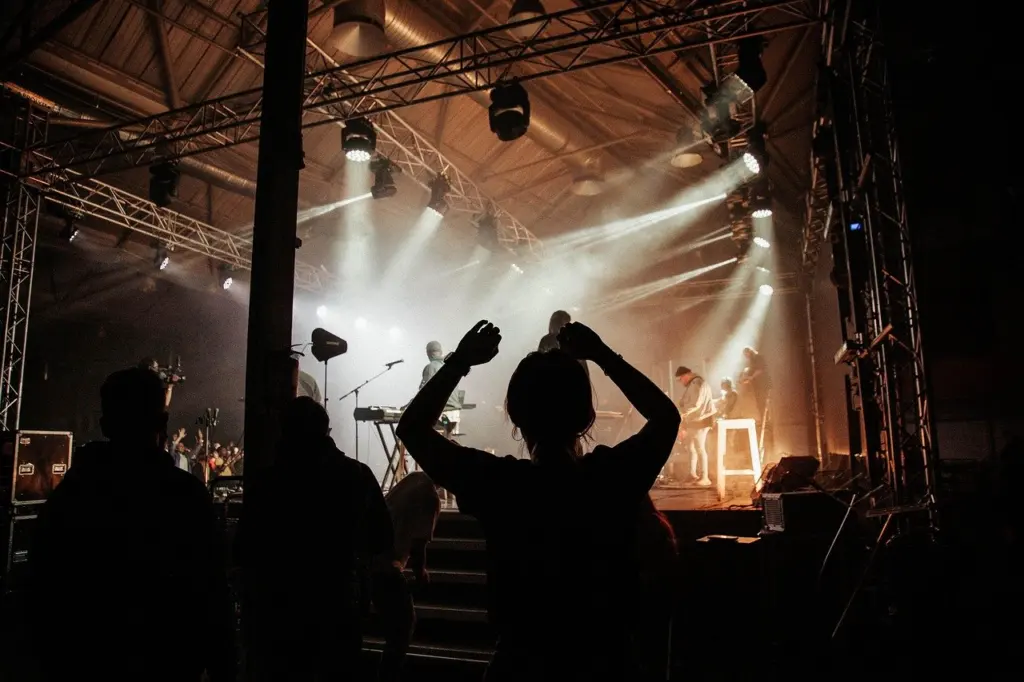
The same guide lists the 2026 edition as running 29-31 December 2026, three days ending with the New Year’s Eve main event. No end to the festival is recorded. The record shows a continuing event, and the most recent dated entry is a scheduled edition.
Founders, organisers and partners
The founder of the Vic Falls Carnival is unknown, and public coverage of the 2014, 2017 and 2026 editions does not name a promoter or company as organiser. The best-supported named relationship is iflix Zimbabwe, described in 2017 coverage as a partner in its first year with the carnival.
A partner is not a founder. Partnerships usually mean a sponsor or media tie-in, so reading one as proof of who started or runs an event is a common mistake. Treat iflix Zimbabwe as a 2017 partner and nothing more.
Documents that would name a promoter include archived festival pages, tourism board announcements and business registry records. Until one of those names a person or company, the founder question stays open and the safest wording is “organisers not publicly named”.
How the format has changed
The structure has stayed steady while the details have moved. The 2017 and 2026 editions both run from 29 to 31 December, and the comparison below shows where the editions differ.
- Opening day: in 2017 the programme began with the African Carnival Train. The 2026 guide likewise makes day one a train party, running to a bush venue.
- Middle day: the 2017 Community Party offered live house, African, indie and electro-pop. That is a mix of live and electronic styles, not a single genre.
- Headline billing: 2017 coverage names Black Coffee as headliner and calls him an international sensation. The 2026 guide describes an all-African line-up of DJs and live acts and a capacity around 8,000.
The practical reading is that anyone comparing editions should compare the three-day shape and date window, which are consistent, and not expect line-up style to repeat. Individual acts belong to each year’s announcement, not to the festival’s structural history.
The New Year’s Eve timing
New Year’s Eve is the closing night, not an add-on. In 2017 the Unity Concert on 31 December ended the year, and in 2026 the main event on 31 December opens in the late afternoon and runs to around 03:00. That makes the final night a long one that carries past midnight.
For planning, this means the earlier days are lead-ins to a single big night. If you can attend only part of the programme, the record frames 31 December as the main event, though the train party and community day are part of the three-day arc.
Victoria Falls, Zimbabwe and Zambia
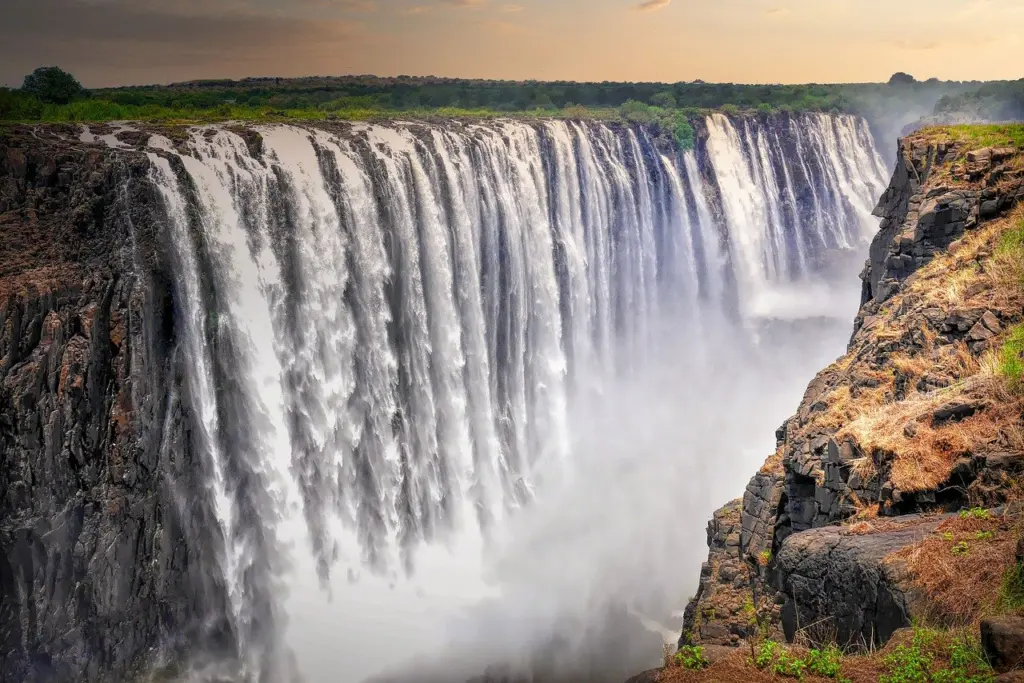
The festival takes its name from Victoria Falls, but the falls have a much longer history of their own. Safari history notes record people settling in the town of Victoria Falls in 1901, completion of the Victoria Falls Bridge in 1905 and UNESCO World Heritage Site status for the falls in 1989. The same source places the falls on the Zimbabwe side and calls them one of the world’s Seven Natural Wonders. It also notes that the town of Livingstone in Zambia grew out of the earlier Old Drift settlement.
Do not mix the timelines. Those dates describe the place, and none of them dates the carnival. The earliest dated account in the verified sources is for the 2014 edition. For where the event is held and how to reach it, see the vic falls carnival venue guide.
Frequently asked questions
| Question | Answer |
|---|---|
| Has the Vic Falls Carnival ended? | No end is recorded. A 2026 guide lists an edition for 29-31 December 2026. |
| Is it only a music festival? | One listing describes it as Africa’s most exhilarating music and adventure festival, so it is marketed as more than concerts alone. |
| Has it received international recognition? | The 2026 guide says the format has repeatedly been named among Africa’s top music festivals by international media. |
| Is the 2014 edition the first? | It is the earliest edition with a dated account. Whether earlier editions existed is unknown. |