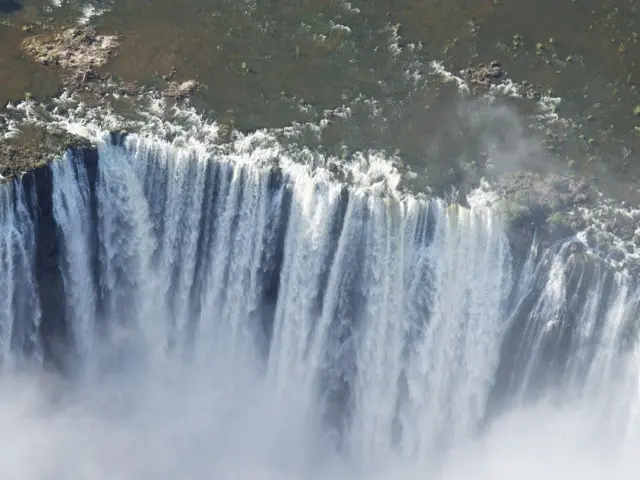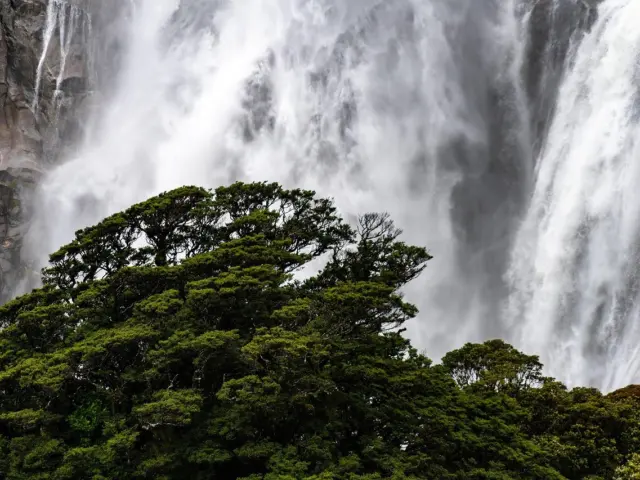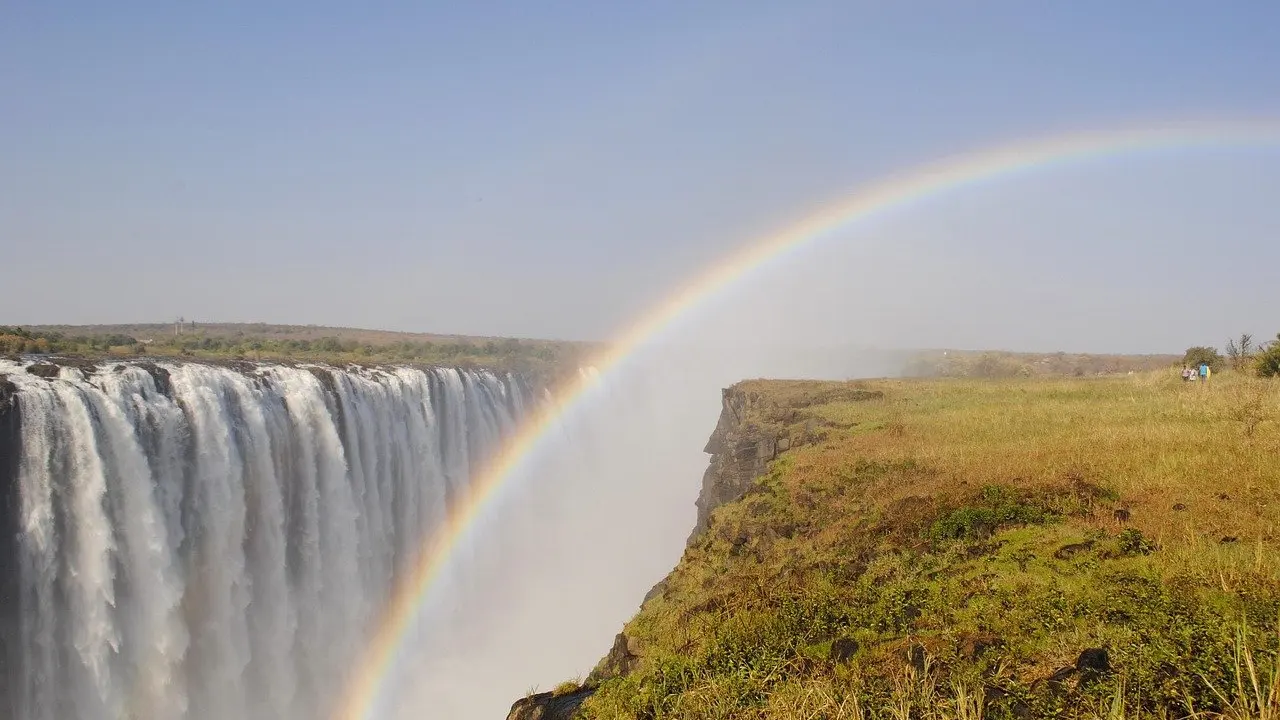
The best time to visit Victoria Falls comes down to one choice: February to May for the heaviest flow, or July to August for clear views from both the Zambian and Zimbabwean sides. Decide whether you want power or access first.
Everything else follows from that choice: which bank to stand on, whether the Zambian side is worth visiting, whether Devil’s Pool is open, and how you cross the border between the two. This guide works through each decision in turn. It also points to the detailed pages on how to get to victoria falls and where to stay victoria falls, which matter once your dates are settled.
Decide by what you want from the falls
Each season favours a different goal, so start with the experience you care about most and let the calendar follow. The choices below are ordered from the most common priority to the most specific.
- Maximum volume and spray: choose February to May. One destination planner puts the best time to visit in February to May, directly after the summer rains. A safari operator’s seasonal guide calls the same months the undisputed champion for sheer grandeur.
- Clear views from both banks: choose July to August. A safari planning guide describes this in-between period as promising excellent visibility from both sides, and it is also known as the peak season.
- A swim at Devil’s Pool: aim for August to September or later, when the water has dropped and the pool opens. The devil’s pool victoria falls guide covers the experience itself.
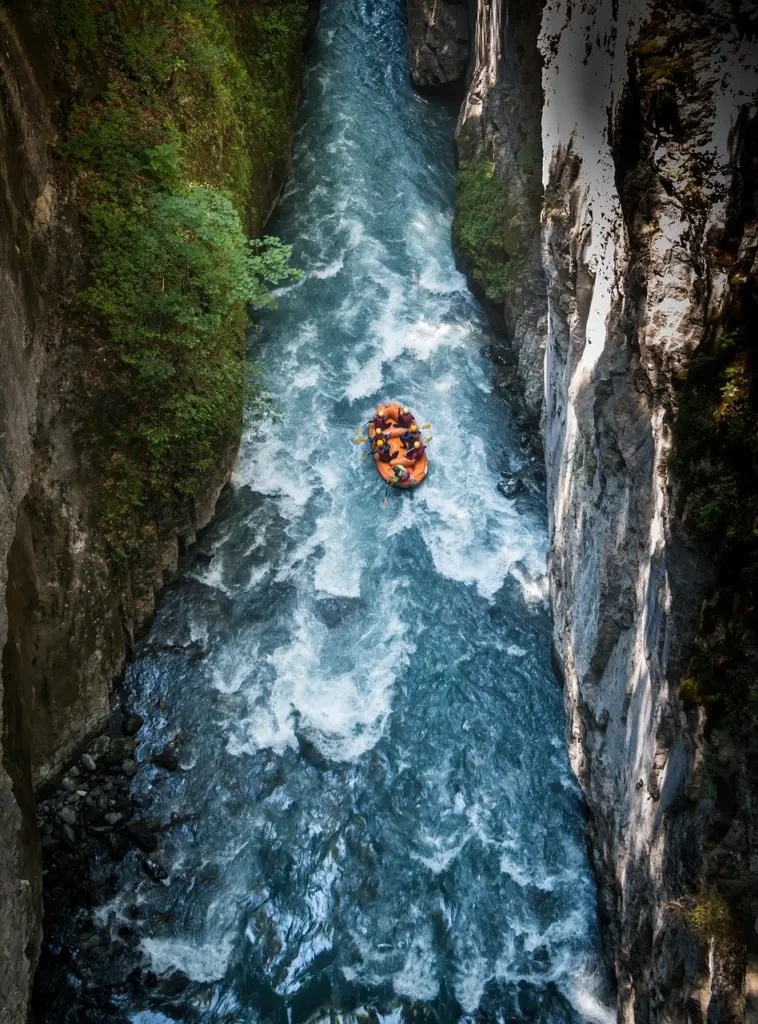
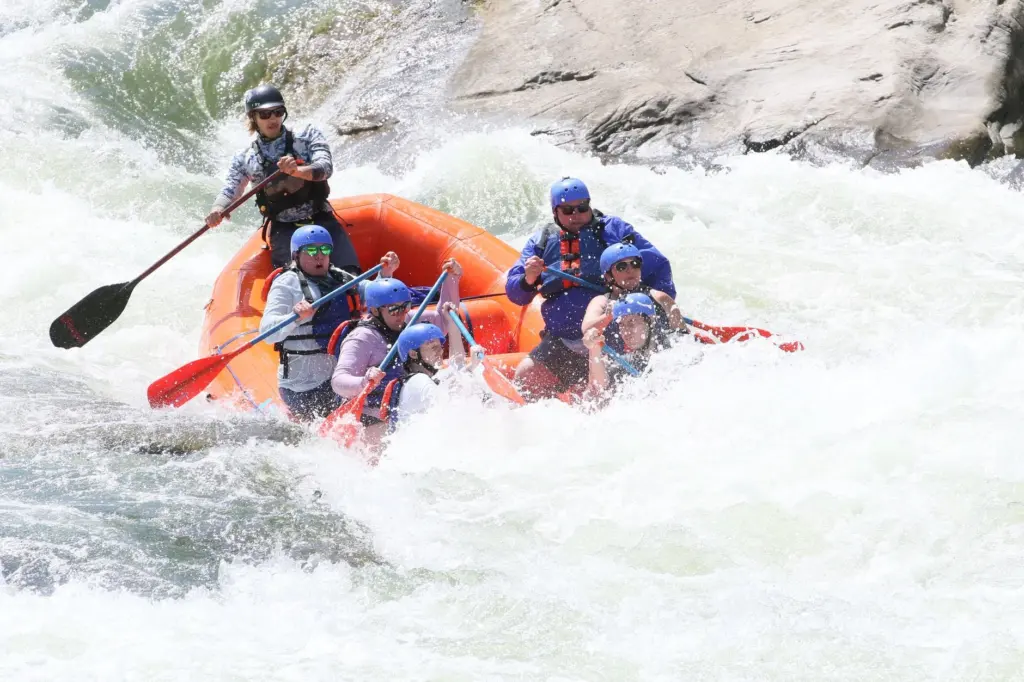
- Whitewater rafting: the same safari planning guide recommends the beginning of the rainy season, because the rapids are far too dangerous when the water is at its highest.
- A Zambian-side view with water in it: avoid October to January, when the Zambian side of the falls might be completely dry.
These goals pull against each other in one important way. Devil’s Pool and the rapids are far too dangerous to attempt at the highest water levels, so the season that gives you the biggest falls is the one that takes the swim off the table. If this is a first visit and you do not plan to swim, take the high-water window. If the swim matters, look at the months when water is falling but has not yet reached its lowest point, which are broadly June to September.
A second rule of thumb covers flexibility. If your dates are fixed by something other than the river, such as a festival, a school holiday or a work trip, you can still plan a good visit. You simply choose your viewing side and your activities to match the water level you will actually meet.
How the Zambezi’s flow changes through the year
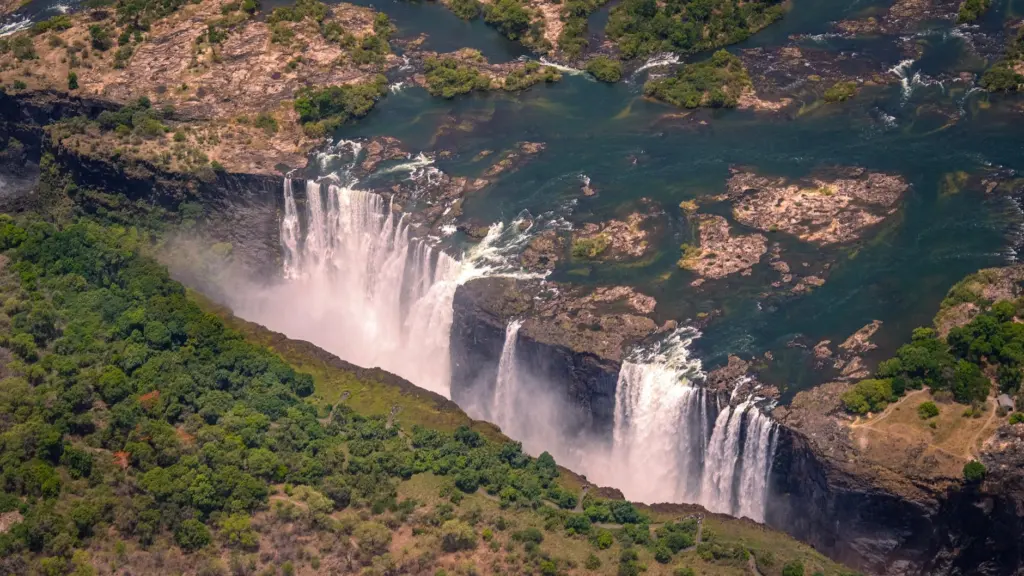
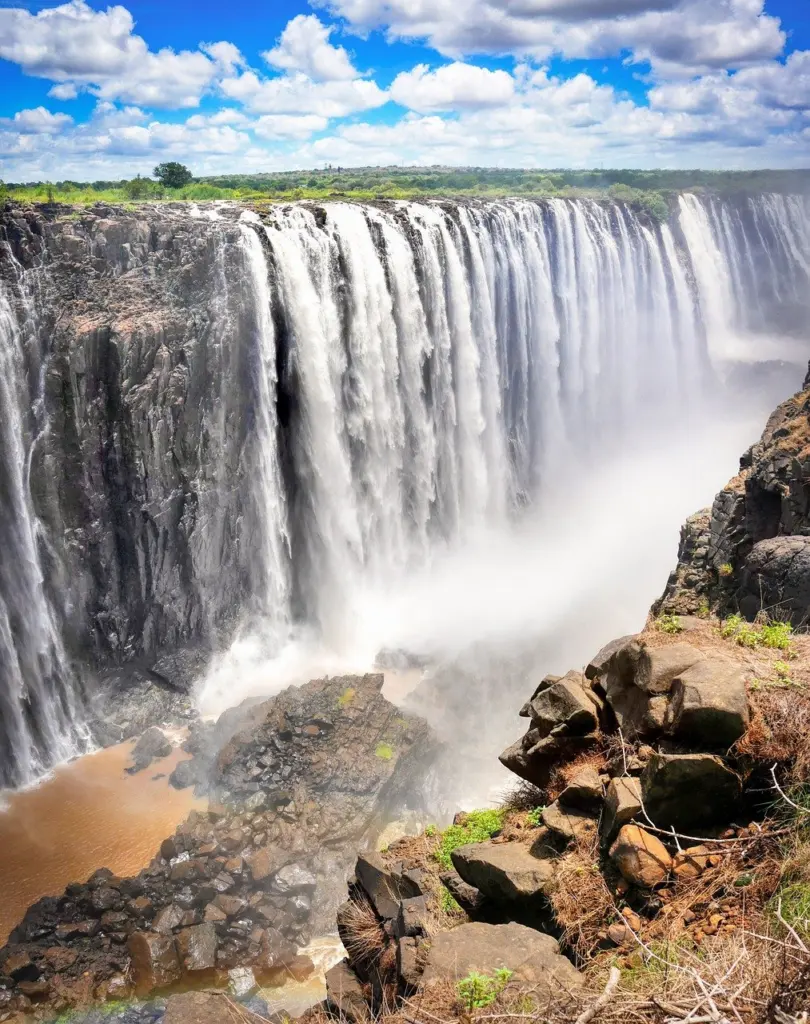
The Zambezi River forms the border between Zambia and Zimbabwe at the falls, so the river’s seasonal rhythm is the main variable you are planning around. According to a regional travel guide, the falls are 1,708 m (5,604 ft) wide and 108 m (354 ft) high, which makes them roughly twice the height of Niagara Falls. The same guide gives the Zambezi’s depth at Victoria Falls as between 80 and 120 m (260 and 400 ft). Those are the dimensions that a high or low river is working with. For more reference numbers, the victoria falls facts page collects them in one place.
High water: February to May
The height of the summer rains falls between December and March, according to the safari planning guide. The river’s response follows the rain.
Operators draw the high-water window slightly differently. One seasonal guide frames February to May as the spectacle window, while another runs the highest levels from April into June. April and May sit inside every one of those windows, so they are the safest months to book if you want the falls at full strength. February and March suit travellers who accept a slightly earlier, rain-season trip. June suits those who prefer the water to be just starting to ease.
The Zimbabwean side keeps a permanent flow that ebbs and flows in volume with the rainy season, according to the destination planner. A separate independent travel blog reaches the same conclusion in plainer words: the falls look their best during and roughly after the rainy season. So high water is the time to go if the falls themselves are the point of the trip.
Falling water: June to September
Between June and July the water levels start receding, and they drop further in August and September, according to the seasonal guide. This is also when Devil’s Pool opens around this time, which is why the shoulder months suit travellers who want both a strong view and an activity at the lip of the falls.
The practical benefit of these months is access rather than raw volume. The falls are not yet at their lowest, both banks can be viewed, and the pool is open. For travellers who rank the experience over the headline flow figure, this is the most balanced part of the year.
Low water: October to January
The falls reach their lowest water levels from October to January, according to the same seasonal guide. The safari planning guide places the dry season and the lowest level slightly earlier, from September to November. Treat the overlap, October and November, as the surest low-water period.
The low-water season is not a reason to skip the trip, but it changes where you should stand. The Zambian side, about one quarter of the falls’ width, may have dried up completely, per the destination planner. If you arrive in these months, plan your main viewing on the Zimbabwean side and treat anything on the Zambian side as a bonus.
Weather and peak season
Temperatures at Victoria Falls typically range from 20 to 30 degrees Celsius (68 to 86 degrees Fahrenheit), according to the regional travel guide. That range is a typical average rather than a limit for any single day, so it tells you what to expect in general, not what to pack for one afternoon.
The more useful weather distinction is wet versus dry. The summer rains peak between December and March, and September to November is the dry season, according to the safari planning guide. In the wet months, plan for rain as part of a high-water trip. In the dry months, you are trading flow for easier conditions underfoot. The what to wear to victoria falls page translates this into a packing list.
July to August is known as the peak season at the falls, and it is the one stretch where both sides give excellent visibility. Peak season means you should settle your plans earlier, so look at where to stay victoria falls before committing to dates. If you prefer to avoid the busiest booking period, the high-water months of April and May offer the strongest flow with a different calendar profile.
Zambia or Zimbabwe: choosing your side by season
Neither side is better all year, and the right answer depends on the water level. The Zambian side boasts a breathtaking view of the main Falls, according to the seasonal guide, but it is also the side most exposed to dry-season loss of water. The Zimbabwean side keeps a permanent flow, though the volume rises and falls with the rains.
For logistics, the town of Victoria Falls in Zimbabwe is the best base for exploring the falls from that country, according to the regional travel guide. Viewpoints on that side, such as the knife edge bridge victoria falls route, have their own guide.
If you visit in high water
Both sides are workable, and high water is the time the Zambian side is least at risk of being dry. If you only have time for one bank, choose the one that suits your base, since the water is there either way. If you are staying in Zimbabwe, the permanent flow makes that side a reliable first stop. If you want the main-Falls view that the Zambian side is known for, high water is when it is most likely to reward the trip.
If you visit in low water
Put Zimbabwe first. With the Zambian side possibly dry from October to January, the Zimbabwean side is the one with a permanent flow. If you find the Zambian viewpoints dry, crossing the bridge gives access to the falls from the Zimbabwean side, as the independent travel blog notes.
If you visit in the middle of the year
July to August is the period to see both. With excellent visibility from both sides, the question is no longer which bank has water but which view you prefer. A visit that covers both banks makes the most sense in these months, and the border crossing below is what makes that possible.
Crossing the border between the two sides
The Zambezi River forms the border between Zambia and Zimbabwe, so seeing both sides means crossing a national boundary. The independent travel blog describes the route simply: cross the Zambia-Zimbabwe bridge and head to the falls from the Zimbabwe side. That structure is the victoria falls bridge, which has its own guide.
For festival-goers who made this crossing during the event, the same logic applies to any visitor. Treat the crossing as a planned part of the day rather than an afterthought. Decide which side you will start on, take your documents with you, and check your visa position before you travel. The victoria falls visa requirements page is the place to confirm what applies to you.
Getting to the falls
You can reach Victoria Falls by flying into the international airports of Victoria Falls Town or Livingstone, according to the safari planning guide. Which airport suits you depends on which side you want as your base. The step-by-step guide to how to get to victoria falls covers the options in detail.
Entry tickets and fees
A ticket for the viewpoints grants you full-day entry, according to the safari planning guide. That matters for the crossing, because a full day gives you room to see the main viewpoints without rushing. For current amounts, see the victoria falls entrance fee page. The park around the falls takes its name from the local name for the falls, Mosi-oa-Tunya, and the mosi-oa-tunya national park guide explains what the name covers.
Devil’s Pool, rafting and other season-dependent activities
Devil’s Pool is a swimming spot at the edge of the falls, and it is only accessible when the water is low enough. According to the seasonal guide, it opens around August and September, offering what that guide calls a once-in-a-lifetime swimming experience. The destination planner makes the reverse point: both the pool and the rapids are far too dangerous to undertake when the water is at its highest.
That gives a clear decision rule. If a swim is the priority, book for the lower-water months and do not plan it for the high-water window. For how the visit works in practice, the livingstone island tour guide is the next step.
Rafting follows a different pattern. The safari planning guide advises doing it in the beginning of the rainy season. That points to a trip that sits at the start of the wet months, not the peak of the high-water season. Travellers combining rafting with the falls at full strength should expect to compromise on one or the other.
For a different angle on the gorge, the boiling pot victoria falls guide covers an on-foot option. Visitors who care about animals as much as water can read about wildlife at victoria falls.
Planning around your season
Once you have chosen a window, a few decisions follow from it. Each of these has its own page, so use this list to decide which to read first.
- Clothing: a rain-season visit and a dry-season visit call for different layers. The page on what to wear to victoria falls covers both.
- Length of stay: if your window risks a dry Zambian side, you may want time on both banks. The guide to how many days in victoria falls helps you split the time.
- Safety: activity conditions change with water level, as the Devil’s Pool and rafting guidance above shows. Read is victoria falls safe before booking anything on or in the water.
- Base: the town of Victoria Falls in Zimbabwe suits the Zimbabwean side, and your choice of base should match the side you plan to see first. See where to stay victoria falls.
Season-by-season overview
The table below pulls the timing windows together. Where the two sources differ by a month at either end, both windows are shown so you can see the overlap.
| Months | What the falls are doing | Planning use |
|---|---|---|
| December to March | Height of the summer rains | Expect rain; flow is building toward its peak |
| February to May | High-water spectacle | Best window for sheer volume if you do not plan to swim or raft |
| June to July | Water levels start receding | Strong views with the water beginning to ease |
| July to August | Peak season, excellent visibility from both sides | Best for seeing both banks; settle accommodation early |
| August to September | Water drops further; Devil’s Pool opens | Best window to combine a strong view with a swim |
| September to November | Dry season, lowest level | Base viewing on the Zimbabwean side |
| October to January | Lowest water; Zambian side may be completely dry | Treat the Zambian side as a bonus, not the plan |
Timing windows are drawn from a safari operator’s seasonal guide and a safari planning guide, which differ by about a month at the edges of some windows.
Frequently asked questions
Which month is best to see Victoria Falls?
April and May fall inside every high-water window, so they are the most dependable months for the largest flow. Choose July or August instead if clear views from both sides matter more than volume.
How much are entry fees at the falls?
A ticket gives full-day entry to the viewpoints. Amounts are on the victoria falls entrance fee page.
Is Victoria Falls dry at any time of year?
The Zambian side, about one quarter of the falls’ width, may dry up completely in the low-water season, from about October to January. The Zimbabwean side keeps a permanent flow that varies with the rains.
Can you swim at Devil’s Pool in the rainy season?
Not at the highest water levels, which are far too dangerous for the pool and the rapids. The pool opens around August and September as the water drops.
How do you move between the Zambian and Zimbabwean sides?
Cross the Zambia-Zimbabwe bridge over the Zambezi. Check your visa position first using the victoria falls visa requirements guide.