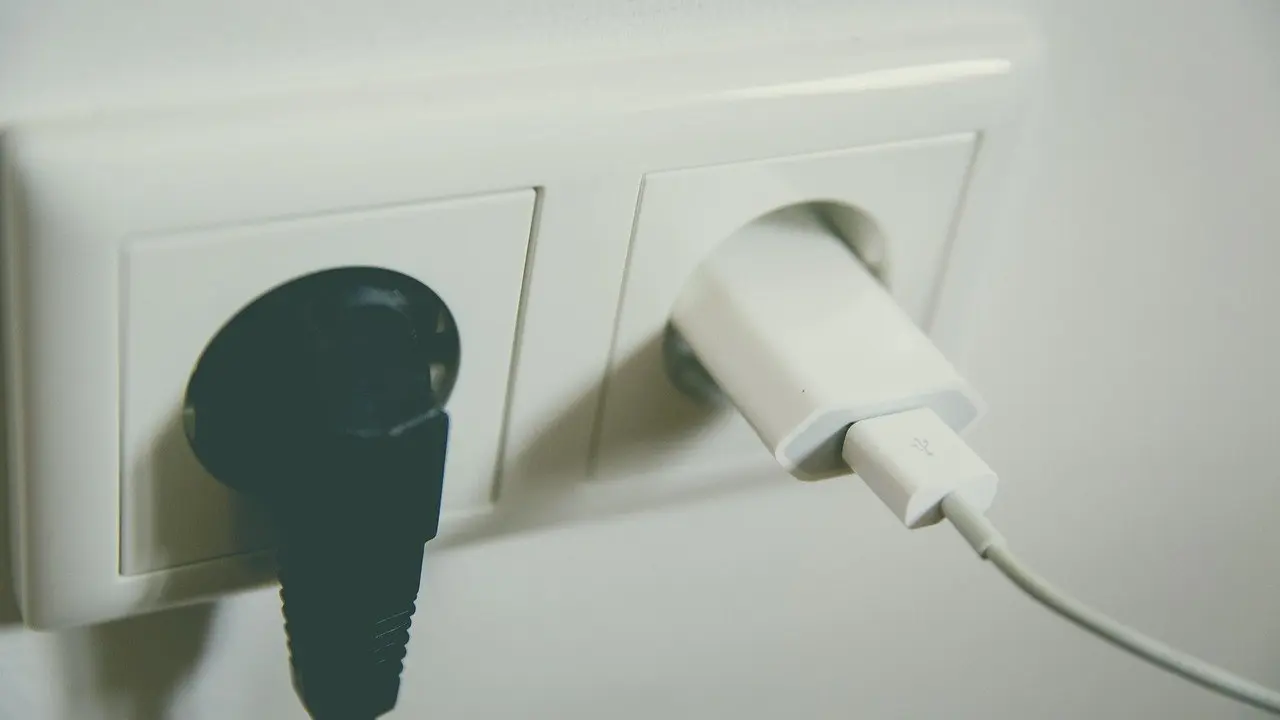
Packing a hair dryer for a Zambia trip and wondering if it will fit? The Zambia plug type is not one shape: sockets are Type C, D and G, on 230 V at 50 Hz. Bring an adapter and check device labels first.
Plug shape and voltage are separate problems, and most packing mistakes come from treating them as one. This page belongs to our zambia travel guide, and it adds what that guide does not cover: how to charge when the power is off or the lodge is remote.
Plugs and voltage: the common misunderstandings
Zambia’s standard mains supply is 230 V at a frequency of 50 Hz, and the same source lists Type C, Type D and Type G sockets as the ones in use. A separate overland-travel guide to southern and east Africa gives the same three types. Two independent sources agree, so you can plan around all three shapes.
The table below sets the usual assumptions against what applies, because each wrong assumption leads to a different failure: a plug that will not fit, or a device that is damaged.
| Common assumption | What applies in Zambia | Planning use |
|---|---|---|
| One plug shape covers the country | Type C, Type D and Type G outlets are all in use | Expect to meet more than one socket shape, so do not rely on a single fixed-shape plug |
| An adapter makes any device safe | An adapter only changes the plug’s shape to fit a 230 V outlet; it does not convert voltage | Check the voltage on every device separately from the adapter question |
| Any hair dryer or charger will work | A device works if it is 230 V or dual voltage and its plug fits the outlet | Read the rating label before you pack anything with a heating element or motor |
| Frequency is irrelevant | Outlets run at 50 Hz, and a device should be able to work at that frequency | Look for 50 Hz, or a 50/60 Hz range, on the label |
| Only some devices need checking | A label reading INPUT: 100-240 V, 50/60 Hz means the device can be used in every country | Phone, laptop and camera chargers often carry this label, so they usually need only a shape adapter |
The plug types, 230 V, 50 Hz and the label rule come from Power Plugs and Sockets of the World, and the adapter-shape and device-compatibility points from WikiConnections.
The three Zambia plug types
Each of the three socket types has a different rating and shape, and knowing which is which tells you what an adapter has to cope with. The first thing to remember is that the Type G socket is the one you are most likely to need an adapter for.
Type G: the British three-pin
The Type G plug is commonly known as the 13-amp plug. It is the British standard, BS 1363, rated for 230-240 V at 50 Hz. The overland guide is direct about it: for Zambia you will need the British-style Type G plug. If your devices already carry a British three-pin plug, the shape matches this socket.
Type D: the older British plug
Type D is the older British plug, technically BS 546, rated 5 A at 250 V and earthed. Its lower current rating and earthed design are the reason not to force any plug into it. A travel adapter that lists Type D, or a universal set that includes it, is the reliable way to use these sockets.
Type C: the two-pin Europlug
Type C is the Europlug, also written CEE 7/16, rated 2.5 A at 250 V and unearthed. The overland guide describes it as having two round pins and being very common for low-power devices. That matches the kit most travellers carry: phone chargers, camera chargers and similar items. Heavy-draw appliances are the ones to check carefully, because the lower rating of this plug type is a reason not to assume everything fits everywhere.
Voltage, frequency and your hair dryer
Zambia’s 230 V supply is the line that decides whether a device is safe. Whether your hair dryer will work comes down to its label, not its plug. If a device is 230 V or dual voltage and its plug can fit a Zambian outlet, it can be used in Zambia. A label reading INPUT 100-240 V, 50/60 Hz marks a dual-voltage device, so a travel hair dryer with that rating needs only the right plug shape.
A hair dryer built for a lower voltage is different. The same source warns that a device which will not handle 230 V risks an electrical fire hazard and damage. In that case the sensible choice is to leave it at home and use a dual-voltage model or a hairdryer supplied by the accommodation. A plug adapter will not rescue it, because it changes only the plug’s shape.
Frequency is a smaller concern, since most modern chargers cover 50 Hz. It matters mainly for older or motor-driven equipment, and the instruction is simple: check that the device will work with a 50 Hz power outlet.
Choosing a travel adapter for Zambia
Yes, most visitors need a travel adapter, and a single fixed-shape one may not be enough. The overland guide says you will likely need at least two different adapters across the region, and a source written for Egypt-based travellers states that you need a power plug travel adapter for sockets type D and G in Zambia. Which adapter you need depends on the plugs on your own devices, so look at them before you buy.
- Universal sets: a set that includes Type C, D and G adapters is the most flexible choice if you move between hotels, lodges and camps and cannot predict the socket in advance.
- One quality local adapter plus a power strip: the overland guide recommends buying one high-quality local adapter for the country you are in. A power strip behind it lets several devices share a single socket, which matters when a room has few outlets.
- Hotel loans: reception desks may sell, hire or lend an adapter, but availability is normally limited. Treat that as a backup, not a plan.
Cheap adapters are the weak point of any plan, so choose one that fits the socket firmly. Trade data shows how much plug hardware reaches Zambia from abroad: in 2024, China was the leading exporter of electrical plugs and sockets to Zambia, at US$830.03 thousand and 131,335 kg.
Power cuts and charging at remote lodges
Plan for interruptions rather than assuming constant power. Load shedding, where supply is cut in blocks to ease demand, is a reason to carry a charged backup, and the practical advice is plain: bring a power bank if you want to recharge your phone battery while in a region without power. A remote camp may also limit what you can charge or when, so ask the lodge before you travel how charging works and how many devices it supports.
For safari trips, these habits are what keep a camera and phone running:
- Charge when power is on. Top up every device whenever a socket is live, rather than waiting until the battery is low.
- Carry a power bank. It covers a phone through an outage, and it is the one item with direct support as the fallback.
- Use a power strip. It lets camera batteries, phones and a power bank charge off one adapter at once.
- Prioritise essentials. Keep the phone and camera charged first, and leave heating appliances at home, since they draw more and are the likeliest to mismatch the 230 V supply.

Trip timing shapes the rest of your packing list too, and our best time to visit zambia guide covers that.
Frequently asked questions
| Question | Answer |
|---|---|
| What plug type does Zambia use? | Zambia uses Type C, Type D and Type G sockets. Type G, the British 13-amp plug, is the one to prepare for first. |
| What voltage does Zambia use? | The mains supply is 230 V at 50 Hz. Devices labelled 100-240 V, 50/60 Hz cover this range. |
| Will my hair dryer work in Zambia? | It will if it is rated for 230 V or is dual voltage and has a plug that fits. An adapter does not change voltage, and a mismatched dryer risks fire and damage. |
| How reliable is electricity at lodges and in towns? | Do not assume uninterrupted supply. Carry a power bank, charge devices whenever power is on, and ask your lodge how charging works. |