Quick answer: The best time to visit Zambia is June to September, when the weather is dry and game viewing is excellent. The rainy months trade easy access for good lodge rates, so choose by what you want to do.
Timing also shapes roads, packing and budget, so pair this page with our wider zambia travel guide. Everything below is built around the Livingstone area and Victoria Falls, with notes for the national parks.
Zambia seasons at a glance
Zambia has a simple pattern: a warm, wet stretch followed by a long dry spell that starts cool and ends hot. The table shows how each period usually behaves and what it means for a trip.
| Period | Typical conditions | Planning use |
|---|---|---|
| December to April | Very warm and wet, with heavy downpours usually late in the day | Suits flexible, budget-minded travellers who can plan around afternoon storms and some closed camps |
| May to August | Dry and cool, getting cooler toward the end | The comfortable window for walking, sightseeing and wildlife, with warm clothing for mornings and evenings |
| September to November | Dry and hot, getting hotter toward the end | Good for dry-season game viewing if you accept heat; earlier in the period is easier than later |
| June to September | Dry weather with excellent game viewing | The strongest all-round window if you only have one chance to go |
Period descriptions come from Siyabona Africa’s Zambia overview, and the June to September recommendation from Tripreport’s climate guide.
Season boundaries differ by source and by region. UsualWeather puts the rains from October to April, Fleewinter describes a single rainy season from November to April, and Siyabona starts it in December. Treat the edges of the season, October and November or April and May, as transition months rather than fixed dates.
Zambia dry season: May to November
The Zambia dry season is the main travel season. Rainbow Tours describes May to October as the dry winter period, with warm sunny days and chilly nights, and UsualWeather extends the dry season to November. The dry months split into a cool half and a hot half, and the right one depends on how you handle heat.
Cool dry months: May to August
Fleewinter gives the cool dry season as May to September, with temperatures between 15°C and 27°C. In the Lusaka area, UsualWeather lists July as the coldest month, with an average maximum of 23.2°C and a minimum of 10.1°C, and May as the least rainy month, with an average of 0 rainy days.
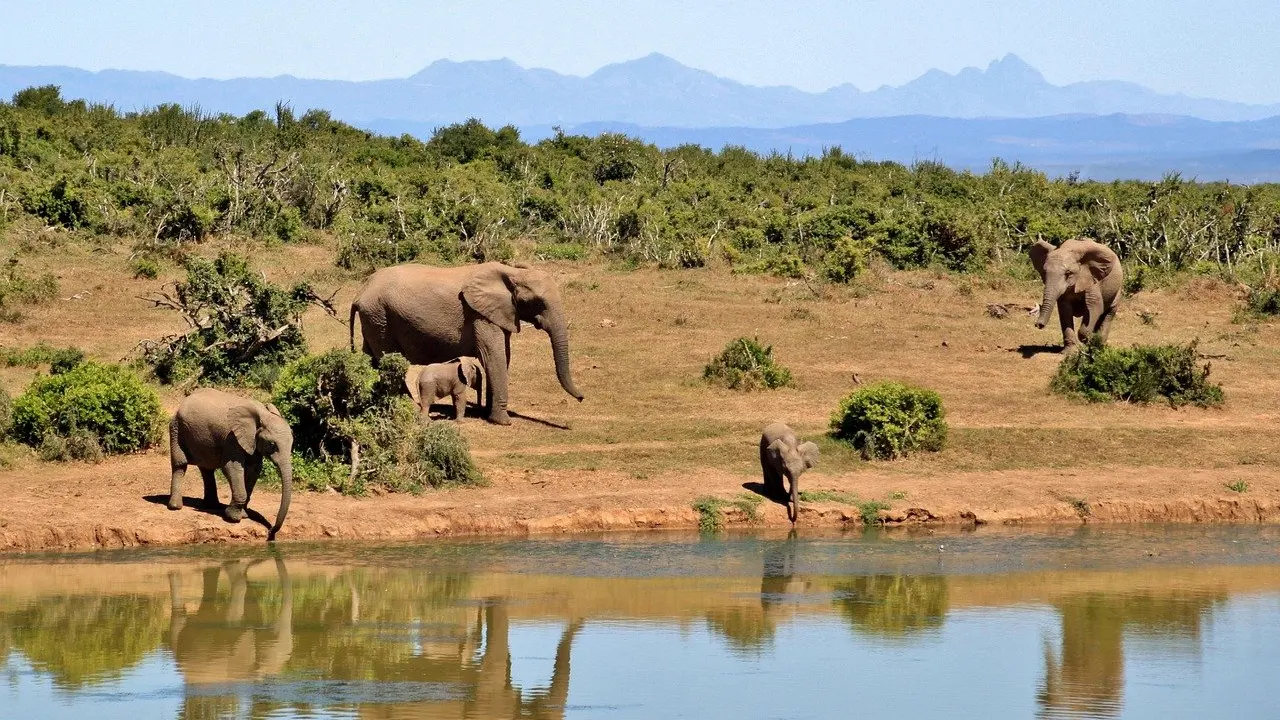
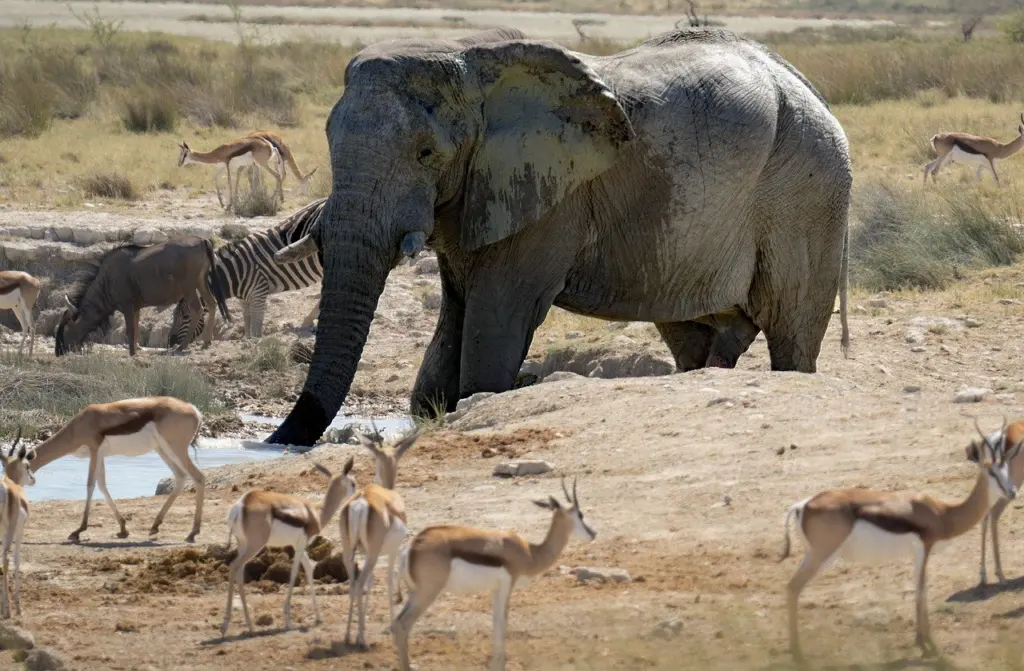
This is the best fit for first-time visitors. Days are comfortable for sightseeing, and Siyabona notes that the dry season is the best time to view game because the vegetation is sparse.
Hot dry months: September to November
Siyabona describes September to November as dry and hot, getting hotter toward the end. Fleewinter puts October and November temperatures between 24°C and 32°C, and says daytime temperatures in the Luangwa Valley rise to over 40°C in the hot dry season. That matters if South Luangwa National Park is on your route.
In the Lusaka area, UsualWeather lists October as the warmest month, with an average maximum of 31.1°C and a minimum of 17.4°C. If you want dry-season wildlife without peak heat, aim for the early part of this period. If you are sensitive to heat or travelling with children or older relatives, choose the cooler months instead.
Is the rainy season worth it?
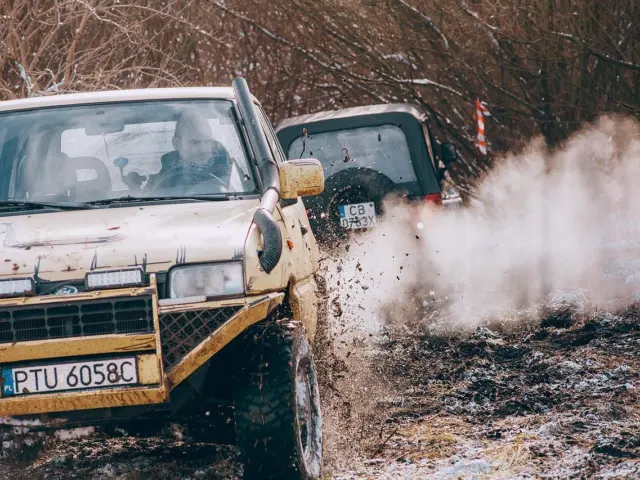
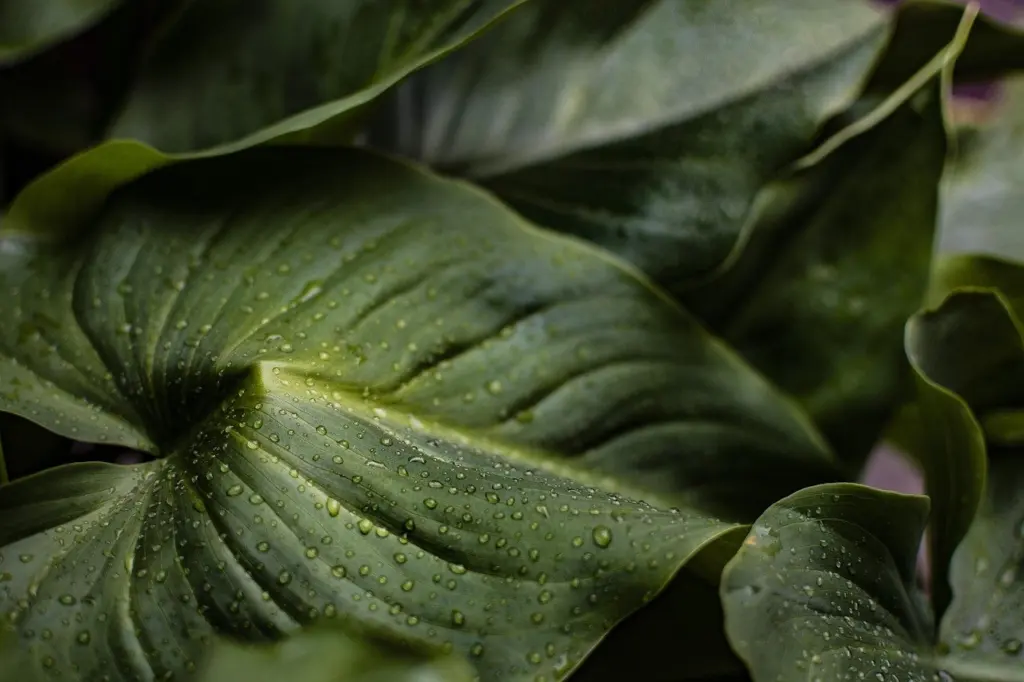
Yes, for the right traveller. Siyabona says lodges that remain open usually offer good rates and parks are quieter in the rains, but the trade-off is access. Tripreport notes that roads can become muddy and many camps close, while Rainbow Tours says some seasonal camps close, though those with all-weather access stay open.
Expect heat and humidity as well as rain. Fleewinter gives average temperatures between 27°C and 38°C in the south during the rainy season, and Siyabona says the heavy downpours usually come late in the day. UsualWeather records an average of 213.6 mm of rain in January in the Lusaka area.
The rainy season suits you if:
- You are staying near Livingstone: a base with easy road access is less exposed to camp closures than remote bush camps.
- You want lower rates: open lodges tend to price well and the parks are quieter.
- You can be flexible: late-day downpours are easier to handle if mornings are your main sightseeing time.
It is a poor choice if a specific remote camp is the point of the trip. If you plan to self-drive, read our car rental zambia guide before booking in these months, because muddy roads change what is realistic.
Livingstone and Victoria Falls: choosing your month
Siyabona describes Livingstone as the adventure capital, only 10 km (6 miles) from Victoria Falls. That short distance makes it a simple base for any season, with the falls themselves on the Zambezi River, which Siyabona calls Zambia’s main river. UsualWeather lists the Zambezi River as the country’s lowest point, at 329 m.

Waterfall volume and activity access pull in different directions, and the Zambezi’s level changes through the year. Ask your operator about current water levels and which activities are running before you commit to dates. As a general rule, choose the dry months for comfortable weather and wildlife, and the wetter months only if you value fewer visitors and lower rates over reliability.
Festivals and events
Siyabona notes that Kazembe is best known for an annual ceremony held in late July. That falls inside the cool, dry window, so it pairs naturally with a May to August trip. If a festival is the reason you are travelling, confirm exact dates with the organisers before booking flights and accommodation, since dates for cultural events can move.
Packing and booking by season
Siyabona gives average summer temperatures of 25°C to 35°C and winter temperatures of 6°C to 24°C. The wide winter range means cool mornings and warm afternoons, so layers work better than a single heavy coat. In the wet months, carry rain protection for late-day storms.
Whatever the month, check your charging needs before you fly. Our guide to the zambia plug type covers what to bring.
If the timing does not work
- Your preferred camp is closed: look for camps with all-weather access, which Rainbow Tours says remain open in the rains.
- Roads look unreliable: shift your dates toward the dry months or base yourself near Livingstone instead of a remote park.
- Heat is a worry: choose May to August, or the early part of the hot dry period, rather than late October and November.
- You can only travel in the wet months: book lodges that stay open year round and plan outdoor activities for mornings.
Frequently asked questions
Does Zambia have more than one rainy season?
No. Fleewinter says Zambia has only one rainy season, running from November to April.
Which months are the coldest and hottest nationally?
According to Fleewinter, July is the coldest month nationwide at 17.2°C, and October is the hottest at 30°C, as national averages.
Which rivers matter when planning a trip?
The Zambezi is the main river, with the Luangwa and Kafue as tributaries, according to Siyabona. Livingstone and the falls sit on the Zambezi, while the hottest dry-season readings come from the Luangwa Valley.
Is the dry season good for wildlife?
Yes. Siyabona says game is best viewed in the dry season because the flora is sparse, and Tripreport recommends June to September for excellent game viewing.