Is Zambia safe to travel to? Generally yes: the US State Department’s advisory, as reported by OSAC, is Level 1, exercise normal precautions, though US Embassy alerts urge vigilance during the election period.
That verdict covers the country as a whole. For planning beyond personal safety, start with our zambia travel guide, then use the risk list below to decide which precautions matter for your trip.
Quick verdict and how the list is ordered
Zambia suits independent visitors who are willing to take the same sensible precautions they would take in any unfamiliar destination. It is not a place where official advice tells visitors to stay away. The one item that stands out in official material is the election period, so it leads the list.
The order below is a judgement, not a statistical ranking. It puts risks with direct official backing first, then the everyday risks where a visitor has the most control. Each item says who it affects, what to do and where the limits of the advice lie.
Risks for visitors, in priority order
1. Election-period security
The US Embassy in Zambia has posted security alerts on this subject. One is dated 7 August 2026 and is headed “Reminder to Remain Vigilant During Zambia’s Election Period”. An earlier alert, dated 27 May 2026, carries the headline “Remain Vigilant During Zambian Election Season”.
These alerts ask visitors to stay vigilant. They do not rate the whole country as dangerous, and the national advisory level stays at Level 1. The practical meaning is that timing matters more than destination. Travellers whose dates overlap the election period should check the embassy page of their own government shortly before departure and again while in the country.
- Who it affects: anyone travelling while campaigning, voting or results announcements are under way.
- What to do: keep plans flexible, avoid large political gatherings, and follow local guidance from your accommodation and tour operator.
- Limit: an alert for vigilance is not a travel ban. Outside the election period the same level of concern does not apply.
2. Petty theft in busy areas
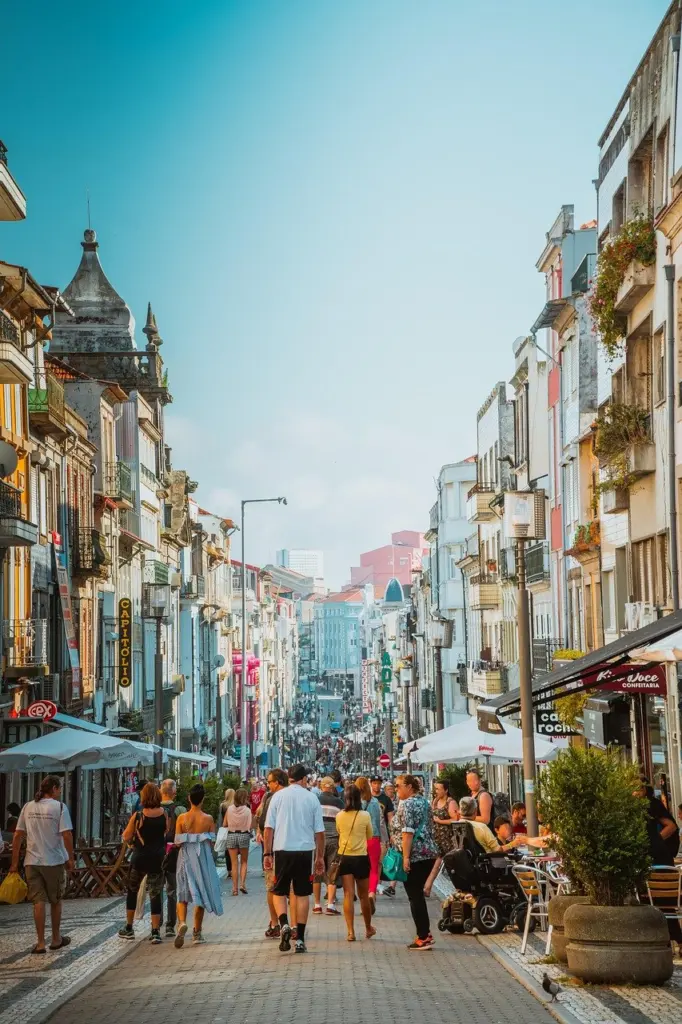
The advisory instruction to exercise normal precautions translates mainly into ordinary anti-theft habits. Busy town centres, bus stops and crowded markets reward the same care you would give in any city: keep bags closed and in front of you, keep phones out of sight when not in use, and carry only the cash you need for the day.
Daylight movement around a tourist town such as Livingstone is the everyday pattern for most visitors. Evening movement on foot is where a little more caution pays off, especially when you are carrying valuables or do not know the route.
Leave your passport and spare cards in the hotel room safe when you do not need them, and carry a photocopy or phone photo of the passport page instead. This habit suits every kind of traveller and costs nothing.
3. Getting around by road
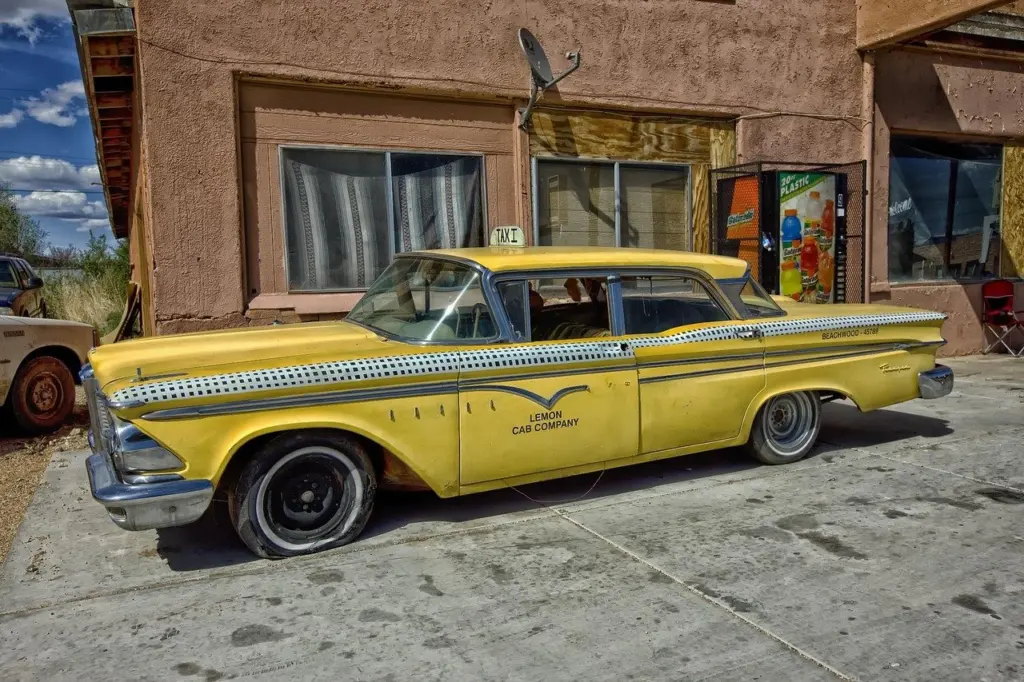
Transport is where your choices matter most. Arrange taxis through your hotel or a booking you trust rather than accepting offers from strangers at arrival points. Agree the destination and fare before you set off, and keep your luggage with you rather than in a separate vehicle.
For longer transfers, a pre-booked driver through your accommodation or a reputable tour operator suits first-time visitors best. Independent road trips suit confident, experienced drivers who are comfortable with unfamiliar roads, and who plan their routes and arrival times carefully.
4. Market bargaining and tourist scams
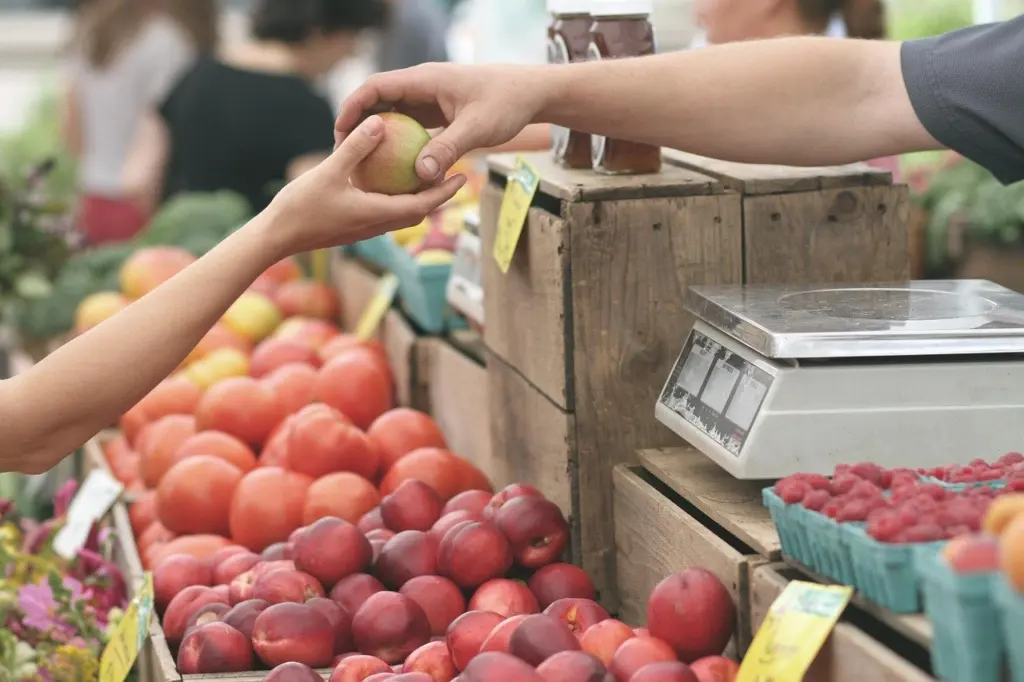
Craft stalls near major attractions are part of the visitor experience, and bargaining is normal there. The risk is mostly financial rather than physical: paying more than you intended or agreeing to something you did not understand. Decide your spending limit before you browse, ask the price clearly, and agree it before handing over money or accepting anything from a seller.
Keep small notes separate from larger ones so you do not display a full wallet at the stall. Our guide to zambia currency explains how to handle cash so that you can pay precisely and avoid awkward change disputes.
5. Health preparation
Health is a separate planning task, but it belongs on any honest risk list because preparation happens before you leave. Check the requirements and recommendations early, since some preparation takes time to arrange. Our guide to zambia vaccinations required covers what to arrange and when to speak to a travel health professional.
What government advisories say
The US State Department advisory for Zambia is Level 1, with the instruction to exercise normal precautions across the whole country. OSAC reproduces that line in its country report. No region of Zambia is singled out in the rating itself, so the time-specific flag is the election period in the embassy alerts.
The UK Foreign, Commonwealth and Development Office and Australia’s Smartraveller publish their own pages for Zambia. Each government uses its own wording and format, and pages are updated as conditions change. Read them directly before booking and again shortly before departure, since a page checked months earlier may no longer reflect the current stance.
The Zambia Tourism Agency also publishes a travel information page with a safety and security section covering personal safety and emergency contact numbers. Save those contacts to your phone before you arrive.
Comparison of what the official material flags
| Topic | What the official material says | Planning use |
|---|---|---|
| Overall country rating | Level 1, exercise normal precautions, applied to the whole country | No area-wide avoidance is advised, so plan a normal trip with standard care. |
| Election-period alerts | Embassy alerts dated 27 May 2026 and 7 August 2026 urge vigilance | Check dates against your itinerary and keep plans flexible if they overlap. |
| Everyday conduct | Normal precautions are the instruction | Use the hotel safe, take a trusted taxi and agree prices before buying. |
The rating comes from the US State Department advisory as reported by OSAC, and the alert dates come from the US Embassy’s alert page.
Who should adjust their plans
First-time visitors on a short trip built around Victoria Falls and Livingstone can plan with confidence, provided they use their hotel’s transport and keep valuables secure. Visitors who plan self-drive travel or long overland routes should invest more time in route planning and local advice.
If your dates fall inside the election period, wait for the latest embassy and foreign ministry updates before paying non-refundable bookings, and choose accommodation and operators that will tell you plainly if conditions change. Solo travellers, including women travelling alone, can apply the same precautions described above and should read their own government’s current advice, as personal circumstances and itineraries differ.
Frequently asked questions
Do travel advisories advise against visiting Zambia?
The US State Department advisory reported by OSAC tells visitors to exercise normal precautions and does not advise against travel. Check the UK and Australian pages for their current wording.
When is vigilance most needed?
US Embassy alerts single out the election period and election season. Your risk is mostly about timing, so compare your travel dates with the latest alerts.
Where can I find emergency contacts?
The Zambia Tourism Agency travel information page lists personal safety guidance and emergency contact numbers. Save them to your phone before you arrive.
What is the simplest habit that reduces risk?
Keep your passport in the hotel safe and carry only the cash you need. This avoids the most common visitor losses without limiting where you go.