The Zambia currency is the Zambian kwacha (ZMW), the only officially accepted currency in the country. US dollars are widely accepted in practice, but carry kwacha for small cash purchases, markets and local transport.
If you are arriving with dollars in your wallet and wondering whether to change them, the sections below take each money problem in turn. For the wider trip, start with the zambia travel guide, and for general precautions on the road read is zambia safe to travel.
Problem: you are not sure what the money is called
The Zambian kwacha (ZMW) is the official currency of Zambia, according to No1 Currency’s Zambia guide. It is subdivided into 100 ngwee. The kwacha was introduced in 1968, replacing the Zambian pound shortly after the country gained independence. Monito lists the same ISO code, ZMW, with the ngwee as the minor unit, so ZMW is the code to search for in a converter or to look for on a card statement.
The kwacha is also the only legal-tender answer to the question of what a price should be paid in. Monito states that, besides the Zambian kwacha, no other currency is officially accepted in Zambia. That official position matters when you read the next section, because dollar acceptance is a practical convenience offered by businesses rather than a guarantee.
Checking an exchange rate
Rates move constantly, so a fixed figure printed here would go stale. When you check a converter, note which rate it shows. XE says it uses midmarket rates, which makes its figure a useful benchmark to compare against whatever rate a bank, bureau or machine offers you.
Problem: you do not know what notes and coins to expect
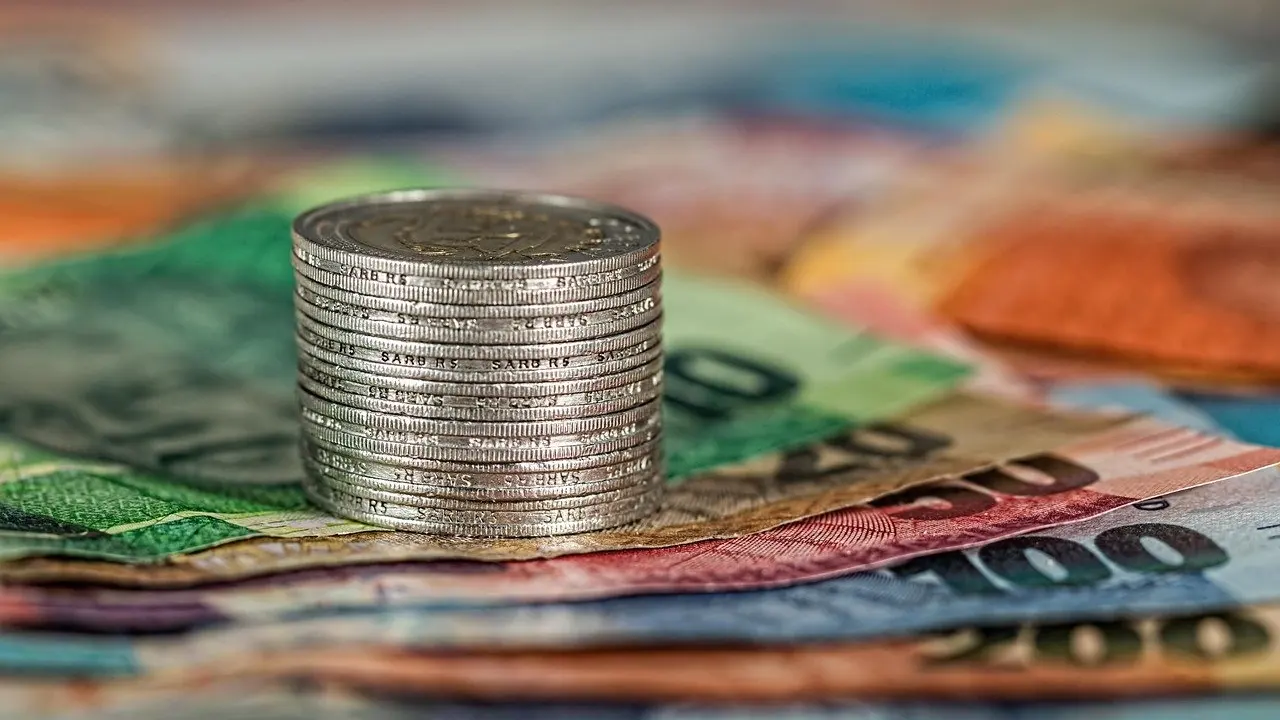
Kwacha banknotes and coins come in a spread of denominations, and the list below follows No1 Currency.
- Banknotes: ZK2, ZK5, ZK10, ZK20, ZK50, ZK100 and ZK200.
- Coins: 5 ngwee, 10 ngwee, 50 ngwee and ZK1.
Coins are typically used for smaller transactions in local markets and for public transport. If you plan to buy from market vendors or ride local transport, ask for coins and low-value notes whenever you are given change, because those are the units that suit that kind of spending.
It is helpful to carry smaller denominations for daily purchases rather than relying on the largest notes. Small vendors are less likely to have change for a high-value note, and a purse of small notes avoids awkward pauses at the counter. Keep the higher notes for larger bills and the smaller ones for the day.
Problem: you are holding US dollars
You can use US dollars in many places in Zambia, but kwacha is the safer working currency. No1 Currency reports that US dollars are widely accepted, and that park and tour fees are usually paid in Zambian kwacha, with USD accepted as well. Against that, Monito notes that the kwacha is the only officially accepted currency.
Put together, the practical reading is that dollars work where a business chooses to take them, while kwacha works everywhere. Before you hand over any notes, confirm which currency the price is quoted in and which one the seller expects. That one question prevents most confusion over what you owe.
Who should bring dollars
Dollars suit travellers who want a backup that many businesses will take, especially for park and tour fees where USD is accepted alongside kwacha. They do not replace kwacha. Treat dollars as a supplement and plan to hold enough kwacha for markets, transport and small vendors.
Problem: cash or card, and what fails where
Card and cash each have a place, and the right mix depends on where you are spending. Monito says Visa and Mastercard cards are accepted in Zambia, especially in touristy establishments. By contrast, No1 Currency notes that many smaller businesses, local vendors and transportation providers prefer cash payments. The table sorts common situations by what usually works.
| Situation | What usually works | Planning use |
|---|---|---|
| Hotel, restaurant or other tourist establishment | Visa or Mastercard card | Card is a reasonable first choice where visitors are the main customers. |
| Local vendor or market stall | Kwacha cash, including coins | Keep small notes and coins ready rather than expecting card readers. |
| Public transport | Kwacha cash, often coins | Set aside fare money before you travel. |
| Park or tour fee | Kwacha usually; USD also accepted | Ask which currency the fee is quoted in before paying. |
| Tips for guides and staff | Cash | Keep small notes for this separately. |
Attribution: the card and cash patterns above come from Monito and No1 Currency.
Tipping is customary and is usually done in cash, so keep a stash of small kwacha notes aside for it; the details of who to tip and when sit in tipping in zambia. If a card is declined or a vendor has no reader, fall back on cash rather than searching for another card terminal, since cash is the form many smaller businesses prefer.
Problem: you need to get kwacha
You can get kwacha at a bank, at a bureau de change or from an ATM. Monito says you can typically exchange currency at a bank or exchange bureau, either before you arrive or upon arrival. It also notes that debit cards linked to your bank account let you make purchases at point-of-sale terminals and withdraw cash.
- Bank or bureau de change: suits travellers who want to hold some kwacha in hand straight away, or who carry foreign cash to change. Compare the rate offered with a midmarket benchmark before you commit.
- ATM with a debit card: suits travellers who prefer to withdraw kwacha as they need it instead of carrying a large amount of cash. Check with your own bank about its cash-withdrawal terms before you leave.
Whichever route you choose, a mixed approach is sensible: some kwacha cash for markets, transport and tips, a card for tourist establishments, and dollars only as a backup where they are accepted.
Frequently asked questions
| Question | Answer |
|---|---|
| What is the currency of Zambia? | The Zambian kwacha, with the ISO code ZMW. Its subunit is the ngwee, as listed by Monito. |
| Can I use US dollars in Zambia? | Often, yes. Dollars are widely accepted in practice, though the kwacha is the only officially accepted currency, so confirm the currency before you pay. See No1 Currency. |
| Is it better to carry cash or use cards? | Use both. Cards suit tourist establishments, while many smaller businesses, vendors and transport providers prefer cash. |
| Where can I get kwacha? | At a bank, at an exchange bureau, or by withdrawing cash from an ATM with a debit card. |