| Item | What applies | Planning use |
|---|---|---|
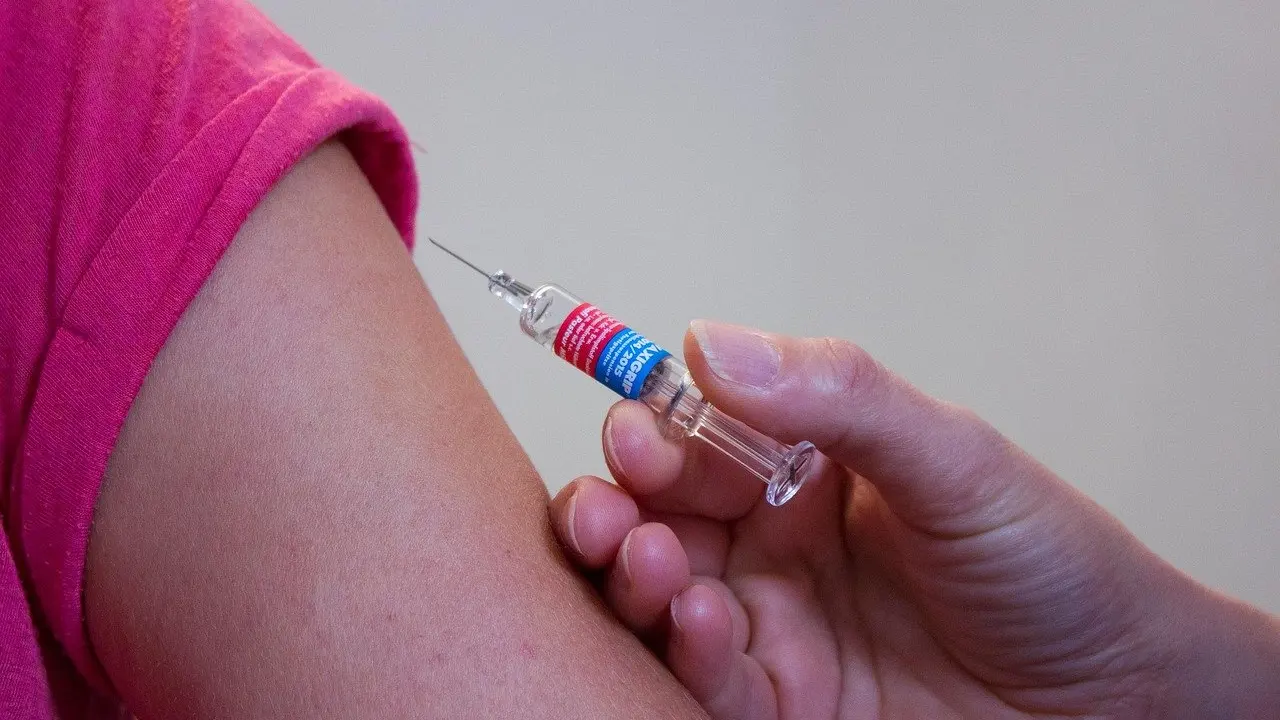
| Yellow fever certificate | Required only for travellers aged 1 year and older who arrive from, or transit for over 12 hours through, a yellow fever risk country | Check your route and recent travel history before deciding whether you need the vaccine at all. |
| Certificate timing | A yellow fever certificate becomes valid 10 days after vaccination | Do not leave the injection to the last week before departure. |
| Routine vaccines | Keep them up to date before every trip; CDC says all international travellers should be fully vaccinated against measles with the MMR vaccine | Check your vaccination record first, because gaps are the cheapest thing to fix. |
| Clinic visit | Check the vaccines and medicines list and see your doctor at least a month before the trip | Book the appointment as soon as flights are fixed. |
These points follow CDC Travelers’ Health guidance and the Travel Doctor Network summary of yellow fever rules for Zambia.
Zambia vaccinations required: no vaccine is compulsory for every arrival, but a yellow fever certificate is needed if you come from a yellow fever risk country. Routine vaccines should be current, and extra vaccines and malaria tablets are decisions for your clinician.
This page sits inside our wider zambia travel guide and covers the health side of planning. It separates what border rules demand from what health agencies simply recommend, so you can plan in the right order.
Phase one: book the travel health appointment
The first practical step is a clinic or doctor visit, and CDC advises making it at least a month before departure. That lead time matters because some vaccines need a course rather than one injection, and a yellow fever certificate only becomes valid after a waiting period.
If your trip is already close, still book the visit. A shorter window rules out nothing you can still do, but it narrows your options and leaves no room to fix a missing record.

- Gather your records. Find your childhood and adult vaccination history, including any earlier yellow fever certificate.
- List your route. Note every country you will arrive from or pass through, including long layovers, because origin and transit are what trigger yellow fever entry rules.
- Book the appointment. Take the route and records to a travel clinic or doctor and ask for a plan covering vaccines and malaria prevention.
- Confirm entry paperwork separately. Passport and visa rules are covered in our guide to zambia entry requirements.
Phase two: which vaccinations are required for Zambia
Zambia does not ask every visitor for proof of any vaccine. The only entry rule in the supplied guidance concerns yellow fever, and it depends on where you have been rather than where you are going.

Is a yellow fever certificate needed?
It is needed only if you are arriving from a risk country. According to the Travel Doctor Network, a certificate is required only for travellers 1 year of age and older coming from a risk country, and transit of over 12 hours through one counts. Zambia itself is not listed as a yellow fever risk zone, as the Victoria Falls Guide also notes for neighbouring Zimbabwe, Botswana and South Africa.
That means a traveller flying in from a country with no yellow fever risk usually has nothing to show. A traveller who has lived in or travelled through a risk country should treat the certificate as essential, and carry it in hand luggage rather than in a checked bag. The same guide says you will only need the certificate if you have travelled or lived in a listed country, so a long-ago trip is not the same as a recent one. Because the rule turns on your origin, confirm the current risk-country list with your clinic or airline before you travel.
Timing the yellow fever injection
If you do need the vaccine, plan around the waiting period. The certificate is valid 10 days after vaccination, and the Victoria Falls Guide advises being vaccinated at least 10 days before travel. In practice that is a reason to book the vaccine in the same appointment where you review your itinerary, not at the airport stage.
With the compulsory question settled, the more common decision is which optional vaccines are worth having.
Phase three: routine and recommended vaccines
Routine vaccines come first because they cost nothing extra if you are already covered. CDC says to make sure you are up to date on all routine vaccines before every trip, and that all international travellers should be fully vaccinated against measles with the measles-mumps-rubella (MMR) vaccine. A commercial provider, Runway Health, gives the same advice for Zambia specifically.

Hepatitis A and typhoid
Beyond routine vaccines, Runway Health says additional vaccines such as hepatitis A, hepatitis B, typhoid and rabies are highly recommended for Zambia. Hepatitis A and typhoid are the pair most tied to food and water, so they suit anyone eating outside a single hotel kitchen. Hepatitis B and rabies depend more on how you travel and what you expect to do, which is exactly what to discuss with the clinic.
For typhoid, the same provider describes an oral vaccine, Vivotif, that helps prevent typhoid fever for up to 5 years. Treat that as a maximum duration, not a promise, and ask the clinic whether an oral or injected form suits you.
Children and special cases
Families should raise age early, since age limits apply to yellow fever. If anyone in the party has a medical reason to avoid a vaccine, the clinic can advise on a documented alternative, covered in the questions below. Matching vaccines to the actual trip is also more useful than collecting every item on a list.
Phase four: malaria risk and prevention
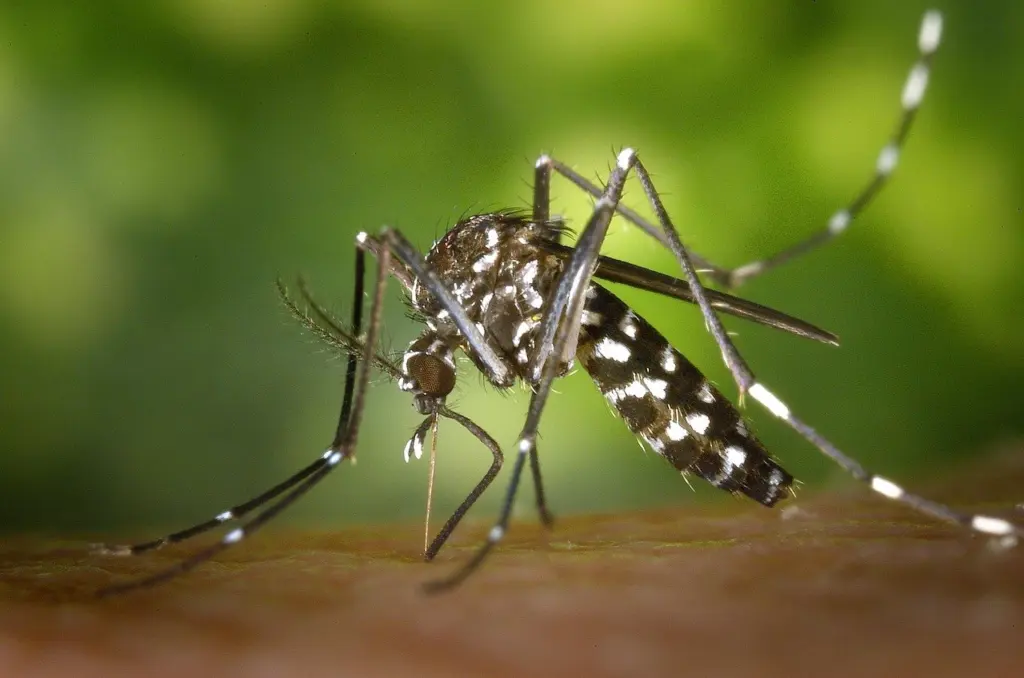
Malaria is the health risk that most affects a trip to Zambia, and it is a medicine decision rather than a vaccine one. Runway Health describes malaria as a significant risk for travellers to Zambia and advises antimalarial medication. Whether you need tablets for a short stay around Livingstone and Victoria Falls is a call for a clinician who has your dates, health history and the latest CDC or NHS country advice in front of them. Do not assume that a famous tourist town means no risk.
Prophylaxis options
Two options appear in the supplied guidance. Atovaquone-proguanil, the generic form of Malarone, is described by Runway Health as a widely prescribed daily option. A once-weekly option, ARAKODA, requires documented normal quantitative G6PD test results before it can be prescribed. That is a real condition, so if a weekly regimen appeals, ask about G6PD testing at the first appointment rather than discovering the requirement near departure.
Bite avoidance
Tablets work alongside bite precautions, not instead of them. The Travel Doctor Network advises that all travellers to North West and Western provinces take meticulous anti-mosquito bite measures during the daytime. Daytime biting is easy to overlook if you only think about evenings, so carry repellent for the whole day outdoors and cover up where you can.
On the trip and where to read more
Once you are in Zambia, the health routine is mostly what you prepared before leaving. Keep your vaccination record and any yellow fever certificate with your passport, and keep up bite precautions at all hours.
Health is one part of the wider risk picture. For crime, scams and general conditions, read is zambia safe to travel. For detailed malaria and food-safety coverage, check current CDC and NHS country pages and your clinic’s written advice, since those are updated more often than any single overview.
Frequently asked questions
Can children have the yellow fever vaccine?
Yellow fever vaccination may be given to children from the age of 9 months, according to the Victoria Falls Guide. The entry certificate requirement applies from 1 year of age.
What if I cannot take the yellow fever vaccine?
If the vaccine is contraindicated, your medical practitioner can issue a vaccination waiver, per the Travel Doctor Network. Ask for an official medical waiver or exemption certificate from a licensed healthcare provider before you travel.
Does a yellow fever certificate expire?
No. Existing and new certificates are now valid for life, and the same source notes that, under World Health Organization rules, from 11 July 2016 countries can no longer require proof of re-vaccination.
Is malaria tablet advice different for every traveller?
Yes. The daily atovaquone-proguanil option and the once-weekly option have different conditions, including a G6PD test for the weekly one, so the choice is individual. Your clinician should match it to your health and itinerary.